
Training

Home | Training

Photo by Vitaly Gariev on Unsplash. Unsplash Licence.

Risk Know-How: Training the future

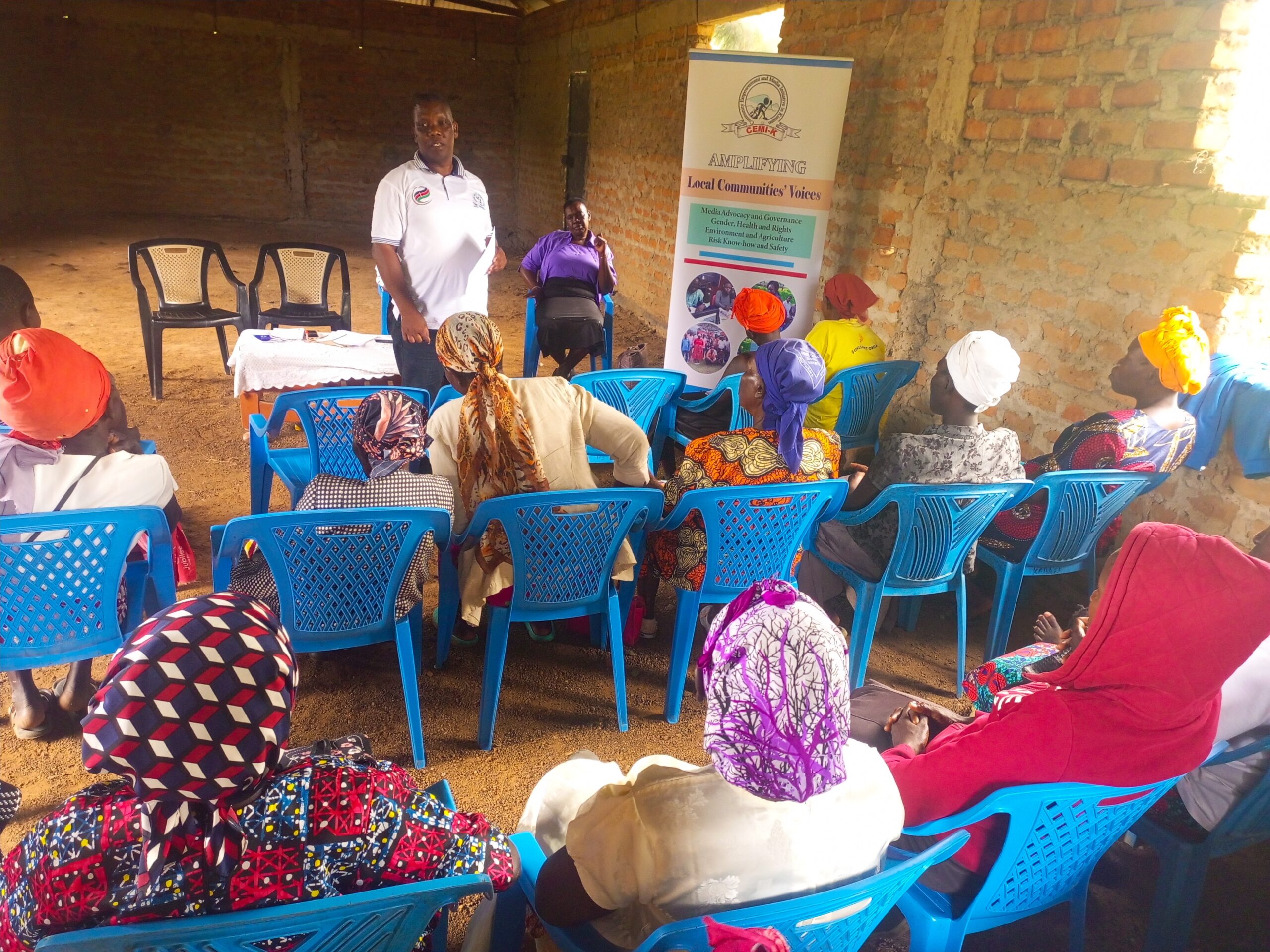
The Risk Know-How initiative delivers evidence backed, experience-driven, practitioner-centred training from science communicators to researchers, government advisors, journalists and beyond. We teach people around the world to learn how to create actionable, clear information about the risks for people; from political leaders to communities, in the context of the trade-offs they make.  

Executive Training

Evidence backed, experience-driven, practitioner-centred training. 

Learn how to create actionable, clear information about risks for people from political leaders to communities, in the context of the trade-offs they make in our bespoke training courses.  

Understanding and communicating risk

Lorem ipsum dolor sit amet consectetur. Proin felis orci risus urna viverra ...

25 Feb 2026

Free

Understanding and communicating risk

Lorem ipsum dolor sit amet consectetur. Proin felis orci risus urna viverra ...

25 Feb 2026

Free

Understanding and communicating risk

Lorem ipsum dolor sit amet consectetur. Proin felis orci risus urna viverra ...

25 Feb 2026

Free

Understanding and communicating risk

Lorem ipsum dolor sit amet consectetur. Proin felis orci risus urna viverra ...

25 Feb 2026

Free

Understanding and communicating risk

Lorem ipsum dolor sit amet consectetur. Proin felis orci risus urna viverra ...

25 Feb 2026

Free

Testimonials

Hear from individuals who have completed training with Risk Know-How.

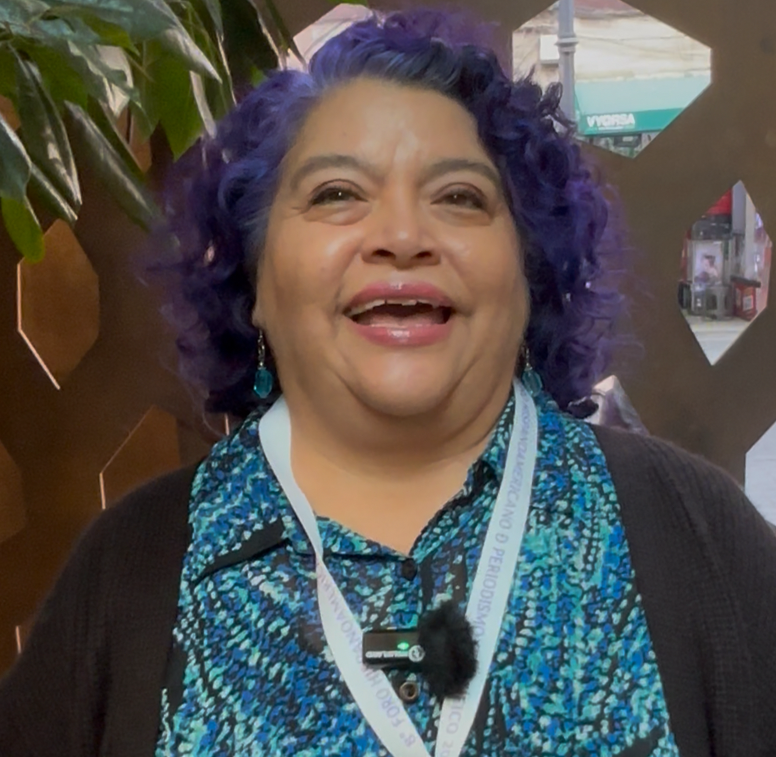
I found it super interesting to learn everything that lies behind communicating a risk and how to handle information, because we are always at risk of miscommunicating a risk. We are all afraid of something. But understanding it better can help us face the situation and gives us tools to fight misinformation.
Pepe
Pepe
PhD Student in Biological Sciences
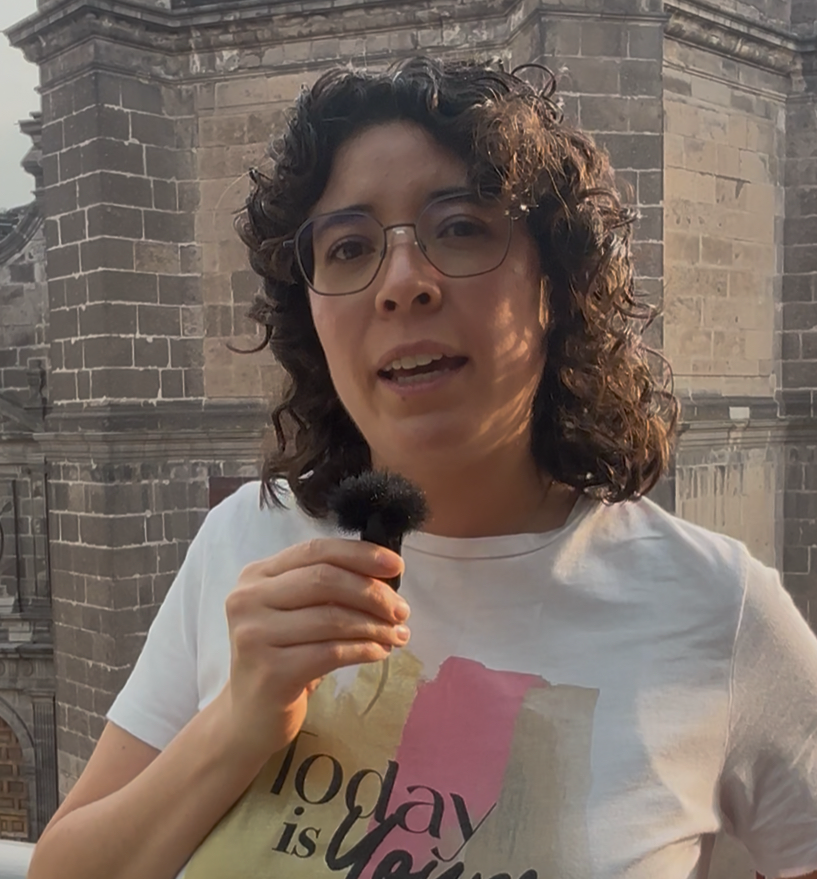
There are things that cause us fear that we often communicate based on intuition, but here [Risk Know-How] gave us a whole set of tools that allow us to do it better: without lying, without changing the data, being accurate while not scaring people.
Rocío Guzmán Benítez
Reporter at the Autonomous University of Chapingo
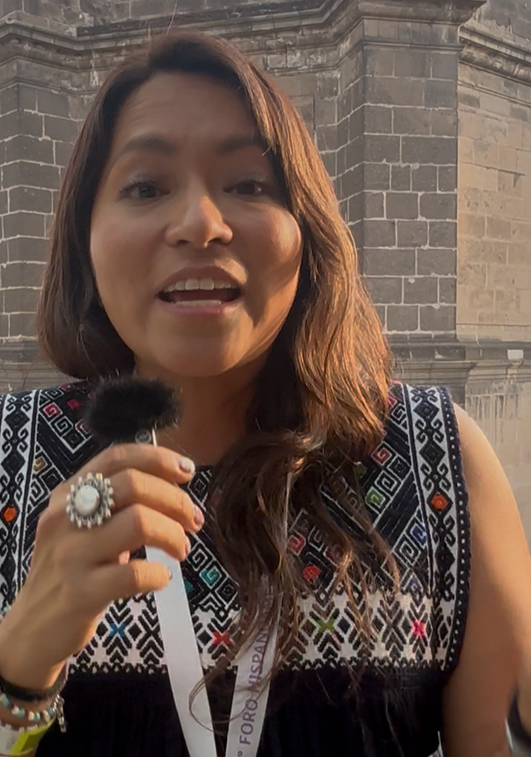
I discovered that many times we think we are covering risks correctly, and that is not really the case. I find it very important to talk about risks because they are everywhere: from how we cross the street, to health issues, climate change, the environment… Doing this incorrectly can not only put lives at risk, but also has very strong social impacts.
Myriam Vidal
Myriam Vidal
Independent science journalist
After taking the workshop, I feel very responsible for the data and for providing context. Today I feel equipped with new tools and as if a veil has been lifted from my eyes. Everyone should hear about these risk-related issues at least once. And they should be included in every university program dedicated to journalism or communication.
Nelly Toche
Nelly Toche
President of the Mexican Network of Science Journalists
Accreditation

Photo by Nick Morrison on Unsplash. Unsplash License.

Massive Open Online Course (MOOC)

We also provide free online training which is designed for anyone who wants to learn how to communicate risk information.  

Anyone can learn how to effectively communicate risk information in our massive open online course (MOOC), Understanding and Communicating Risk.

This course provides an introduction to how people perceive and understand risks in their everyday lives and how to communicate risk information to help people make better decisions.
 

The course also provides an opportunity to connect with other practitioners across the world through discussions. We welcome teams to enroll and follow the course together, as well as individuals who want flexibility to follow the course at their own pace.

Explore the materials

Find all essential documents and resources below to guide your training journey.

Framework

The Risk Know-How framework sets out what is needed to make sense of risk. It has been developed through discussions with communities and risk experts to support better decision-making.

Workbook

Aimed at risk information providers to support them in communicating with a given audience and consider their needs, the workbook highlights some best practices to keep in mind when communicating risk.

Resources

Explore our library of curated resources that help you to understand risk concepts in many different settings, about different topics and from across the world.

These options may help you use our website more easily. For more information please check our accessibility statement.

  • Large text
  • Low contrast
  • Dark mode
  • Reduced motion