
Home | Framework | Clarify The Scope Of The Risk | Population | Who or what could be affected by that risk?
Share:
Population

Who or what could be affected by that risk?

To be able to take action and mitigate the risk we need to know who or what could be affected.

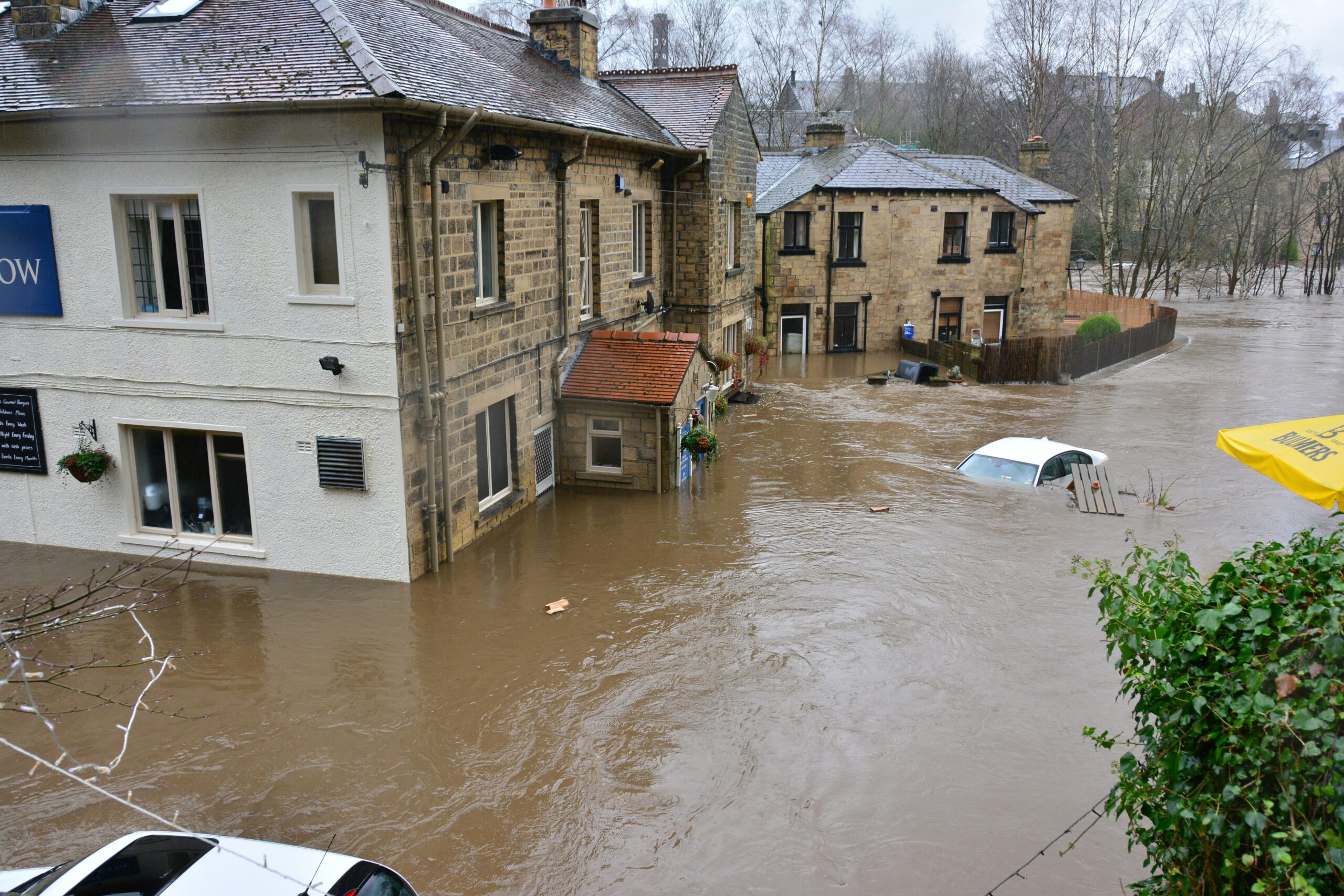
Photo by Chris Gallagher on Unsplash. Unsplash licence. 

Meteorologists have announced the possibility of heavy rainfalls leading to a river overflow.
Some people feel unaffected by the situation as they live ‘far enough’ from the river, convinced that their houses will remain untouched. On the other hand, others believe the entire town might be damaged and want to take preventive measures.

To be able to take action and mitigate the risk we need to know who or what could be affected. In this example it could be:

Knowing who or what will actually be affected helps decide how to take action or who needs support.

Population

Population can sometimes be based on geographic location, whether it’s a small town, an entire state, a country, or the whole world.

At other times, it’s not geography but other factors that determine the affected population: is it men or women? Pregnant women? Children, under-5s, or older adults? A specific ethnic group?

Useful Resources:

The Eight points for effective flood risk communication resource is designed to provide support to those helping others to navigate risk information and guide clearer, actionable communication. The two documents, were curated by Risk Know-How and draw on interviews, media coverage and community testimonies from the October 2024 flash floods in Eastern Spain.

These options may help you use our website more easily. For more information please check our accessibility statement.

  • Large text
  • Low contrast
  • Dark mode
  • Reduced motion