
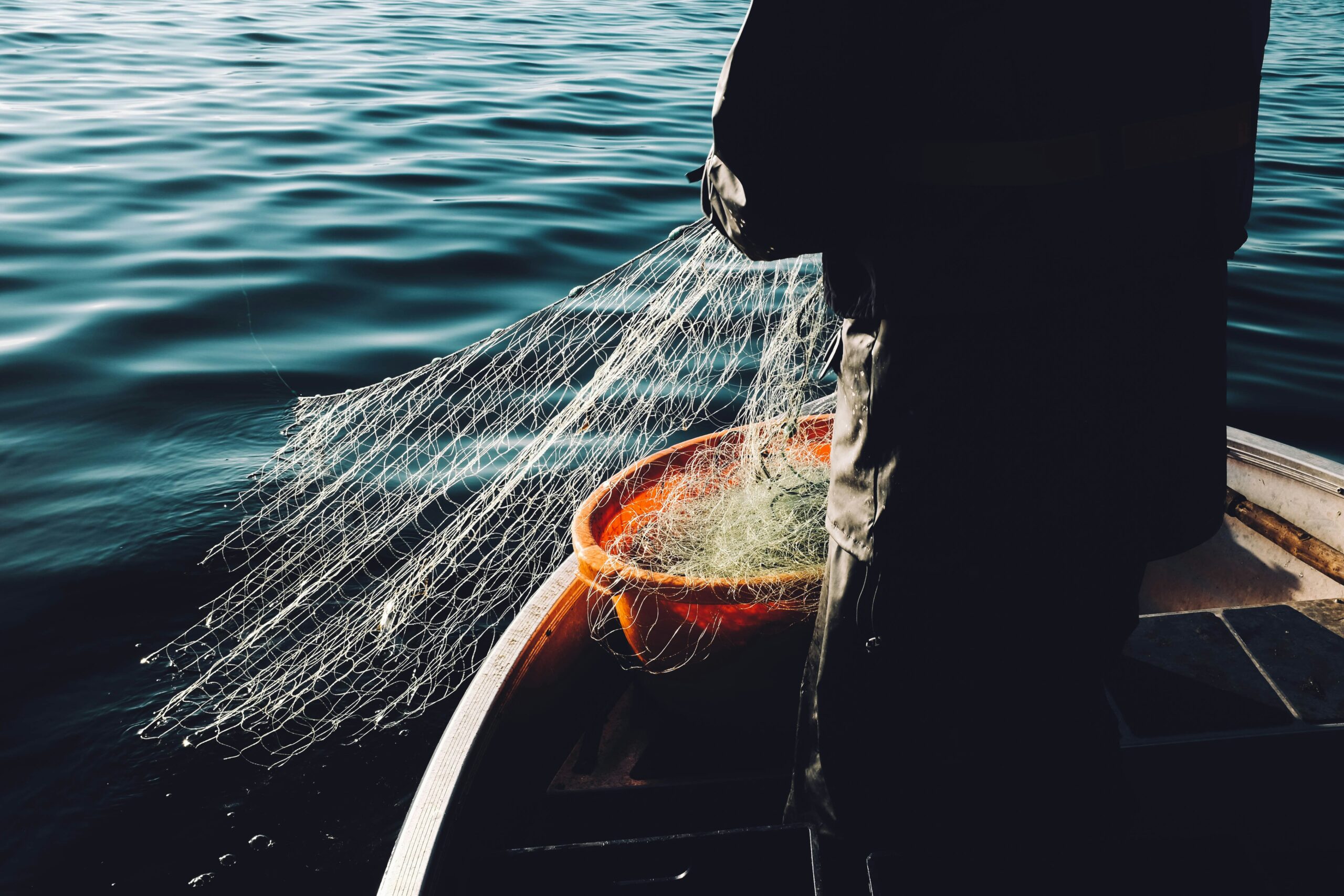
Photo by Fredrik Öhlander on Unsplash. Unsplash licence.
- Sudden sea temperature spikes: warmer waters can alter the habitats of many fish species, affecting their breeding patterns and food sources.
- Overfishing: fishing intensively could mean that fishes are caught faster than they can reproduce.
While problems may have a single cause, more often they result from multiple factors. Identifying all these factors is essential for understanding the complexity of the problem.
Risk factors
- When considering the risk of developing obesity, we might look at factors like sugary drinks or ultra-processed foods intake.
- When studying crime behavior, we could examine contributors like income and education levels.
- In engineering, the building materials and design methods could contribute to the safety of a structure.
When these contributors or risk factors can directly cause harm, they are also referred to as ‘hazards’. E.g. toxic chemicals, a tsunami or inadequate scaffolding in construction.
In some contexts, certain contributors can also be described as the “source of the risk”, especially when a primary origin or main contributor is clearly identified. For instance, in the case of a diarrhoea outbreak, while there may be many risk factors involved, the source of the risk could be pinpointed to contaminated water.
Useful Resources:

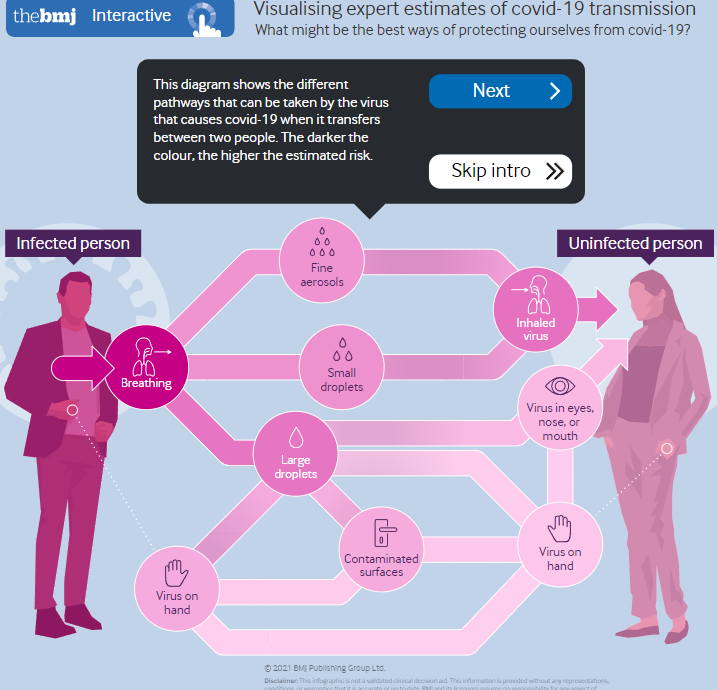
Explore an interactive interactive infographic that allows you to adjust factors like mask usage and location type to see the variations on the risk of Covid infection from one infected person to another. Produced by the Winton Centre.
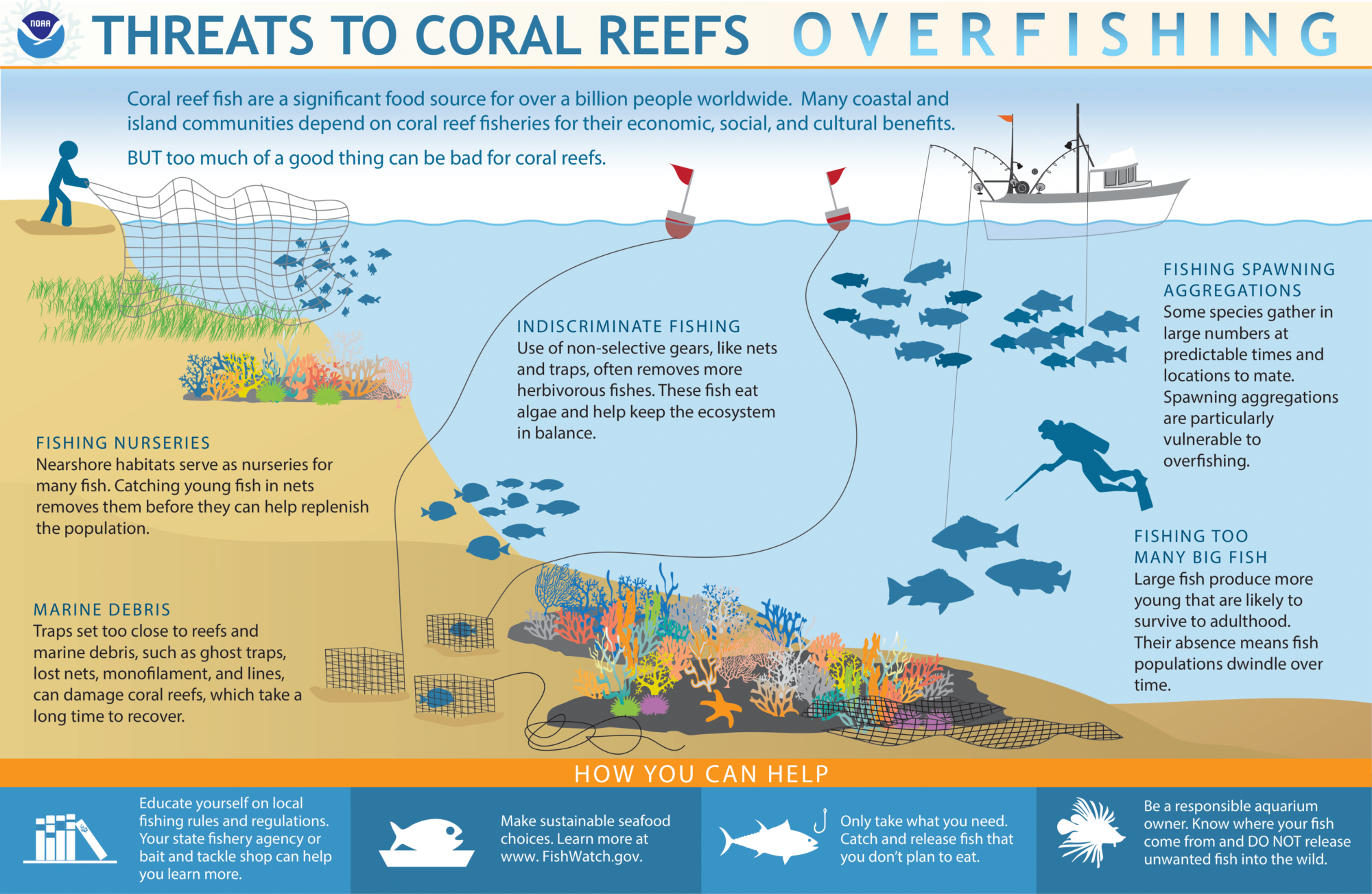
In this infographic you can see the multiple ways in which overfishing contributes to coral reefs damage. Produced by the National Oceanic and Atmospheric Administration (NOAA).