
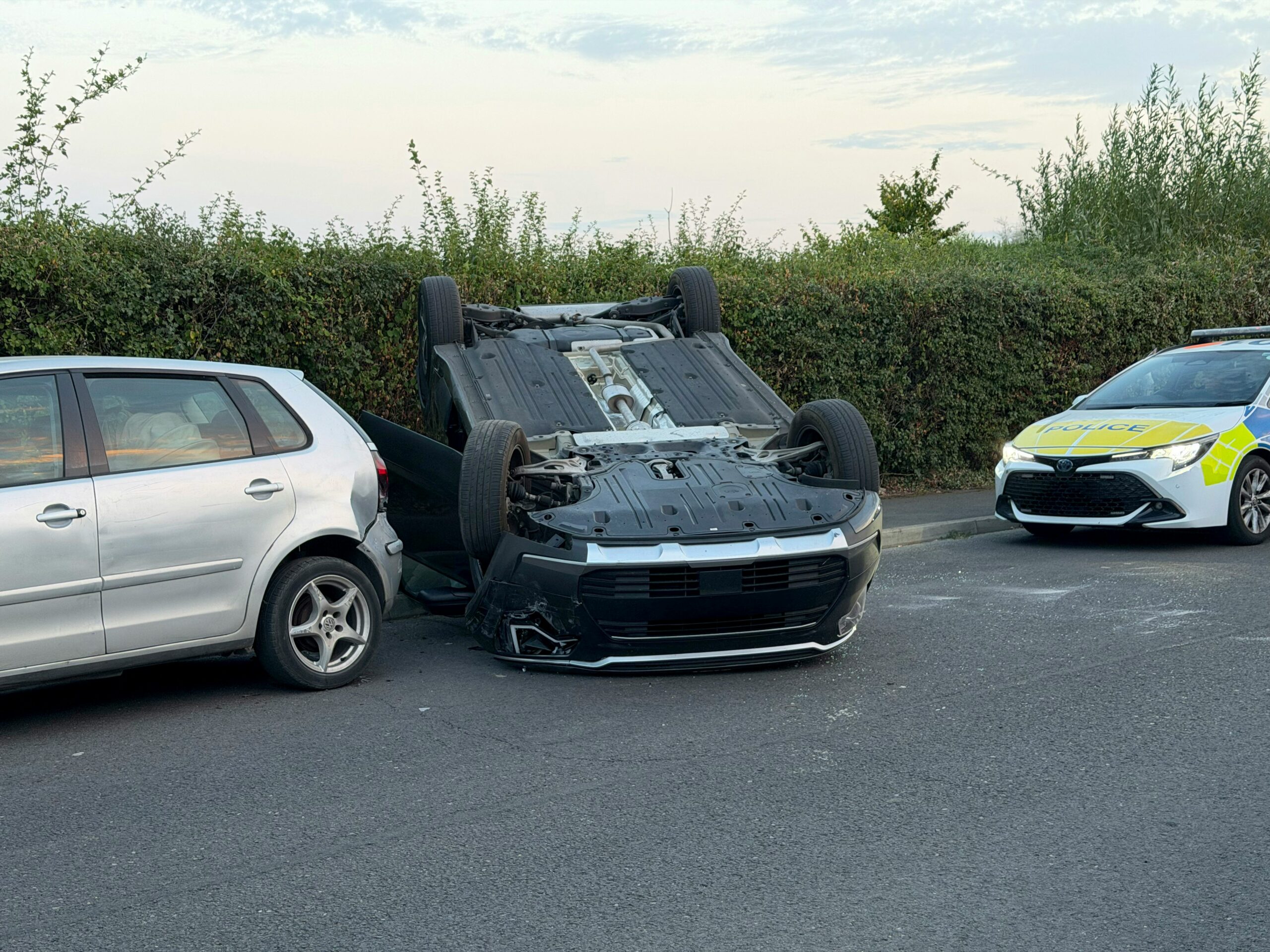
Photo by Brett Jordan on Unsplash. Unsplash licence.
Car insurance companies have noticed that there are more car accidents during hot days. While the accidents and the weather might seem connected, car failure because of the heat is not the main culprit. Instead, the heat increases sleepiness and driving errors, which is the reason behind the accidents.
Just because two things happen together doesn’t mean one causes the other.
Causation vs correlation
We often find factors that appear to be connected to a problem, but we can’t be certain if one is causing the other or if they’re just happening at the same time (correlated).
“The fishing community will often point to the expansion of tourism as the root cause of reef decline because there is a correlation between tourism growing and the fish population declining. A lot of them will be very adamant that fishing has nothing to do with it. [Because] people make their living from catching fish, they have a resistance to any information that might indicate what they’re doing is causing the problem.”
Inilek Wilmot, marine biologist, Jamaica.
Useful Resources:

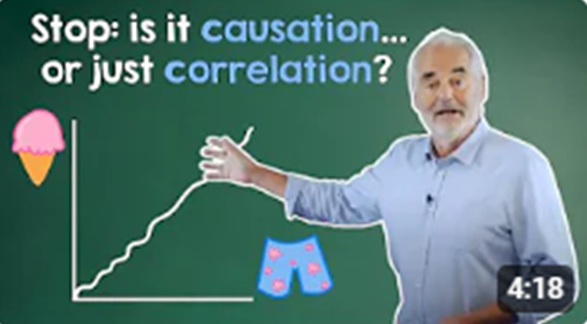
In this video, Prof. David Spiegelhalter provides guidance on the words that can be used to communicate either a correlation or causation.
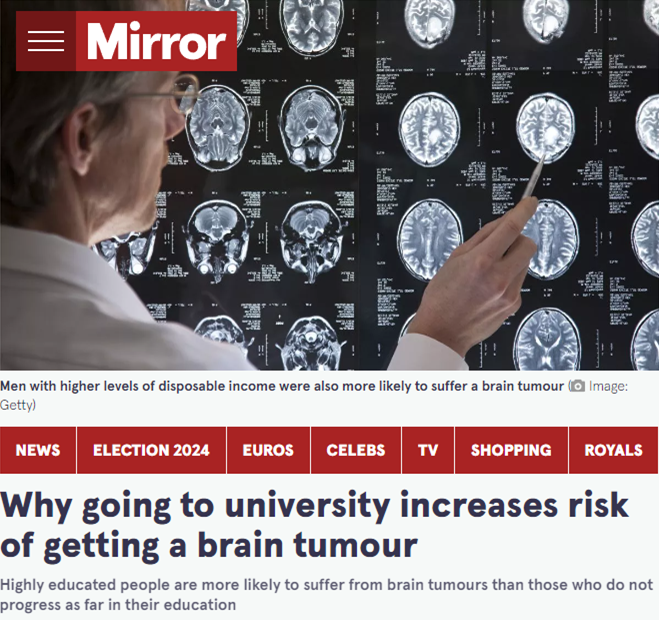
An article from The Mirror claimed “Why going to university increases risk of getting a brain tumour”. Authors from the study clearly highlighted they found a correlation between individuals from higher socioeconomic positions and a greater number of brain tumour diagnoses. People from wealthier backgrounds simply had better access to health services, which led to more diagnoses. So a correlation, not a causation as the title implied.