

Photo by Levi Meir Clancy on Unsplash. Unsplash licence.
Answering the question ‘risk of what’ helps understand the outcome or consequence of concern.
"Risk of Covid" could have different meanings:
- Risk of infection: the likelihood of contracting the virus in the first place.
- Risk of hospitalization (if already infected): the chance of one's condition escalating to the point of requiring medical intervention in a hospital.
- Risk of dying if infected: the chance of dying due to the virus among those infected.
- Risk of dying if not infected: the chance of dying due to the virus among the population.
Outcome and Consequence
They are related concepts and may be used interchangeably or overlap.
Outcome:
The specific result that is the focus of concern or interest. In studies, the outcome is the result being measured. It can be positive or negative. Examples of health outcomes include coughing, cancer, pain relief, or recovery, while environmental outcomes may include particles in the air, water temperature, or migration patterns.
Consequence:
Similar to outcome, it also refers to the result, but emphasizes the negative impact or undesirable effects of those results. For example, while the outcome may be habitat destruction, the consequences would encompass all the ecological impacts, such as loss of biodiversity and disruption of ecosystems
– Gabriella D’Cruz, founder of the good ocean, India
Useful Resources:

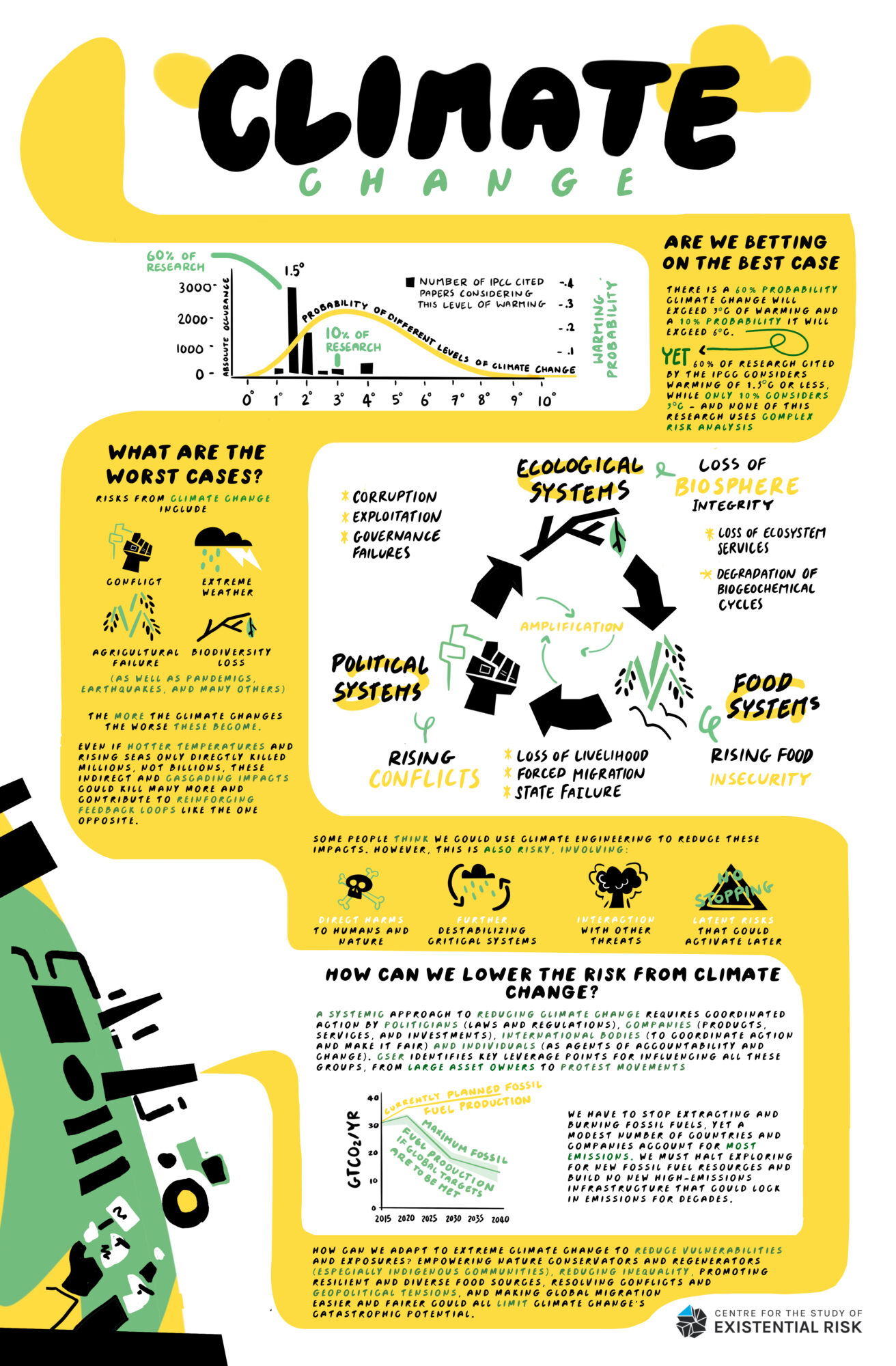
This infographic presents multiple risks (outcomes) from climate change: risk of extreme weather, conflict, agricultural failure, biodiversity loss. Produced by the Centre of Study of Existential Risk, University of Cambridge
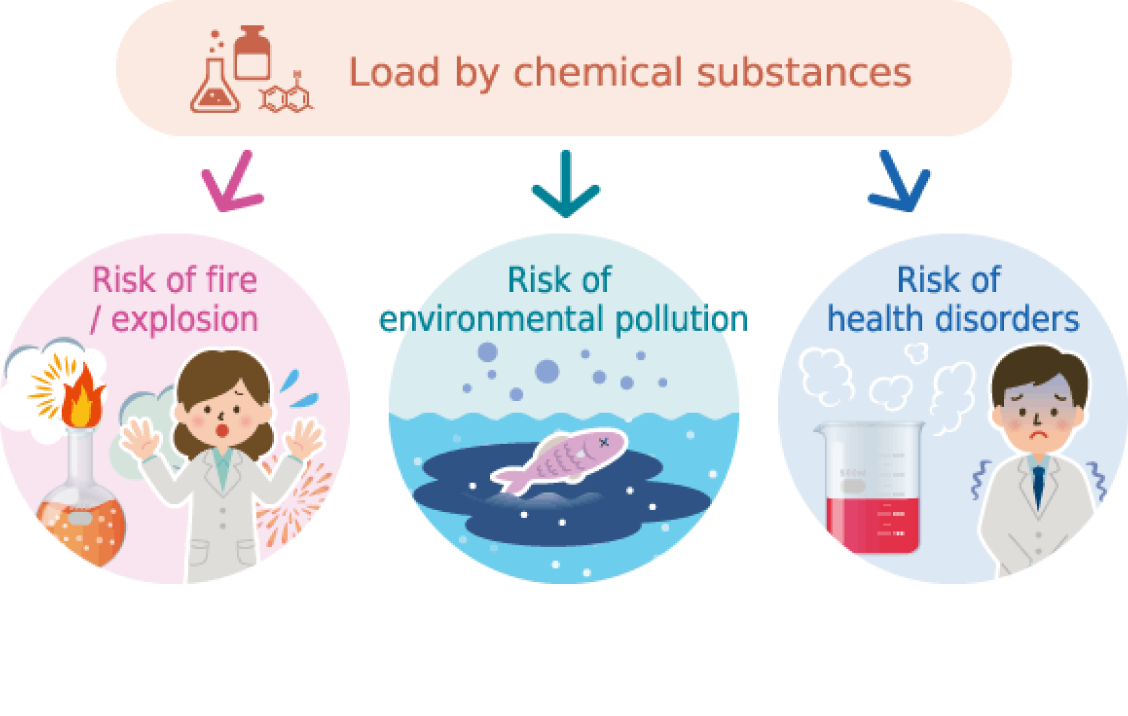
This infographic illustrates chemical substances can lead to three different risks (outcomes): risk of fire, risk of environmental pollution or risk of health disorders. Produced by Kumamoto University. Environmental Safety Center.