
Impact

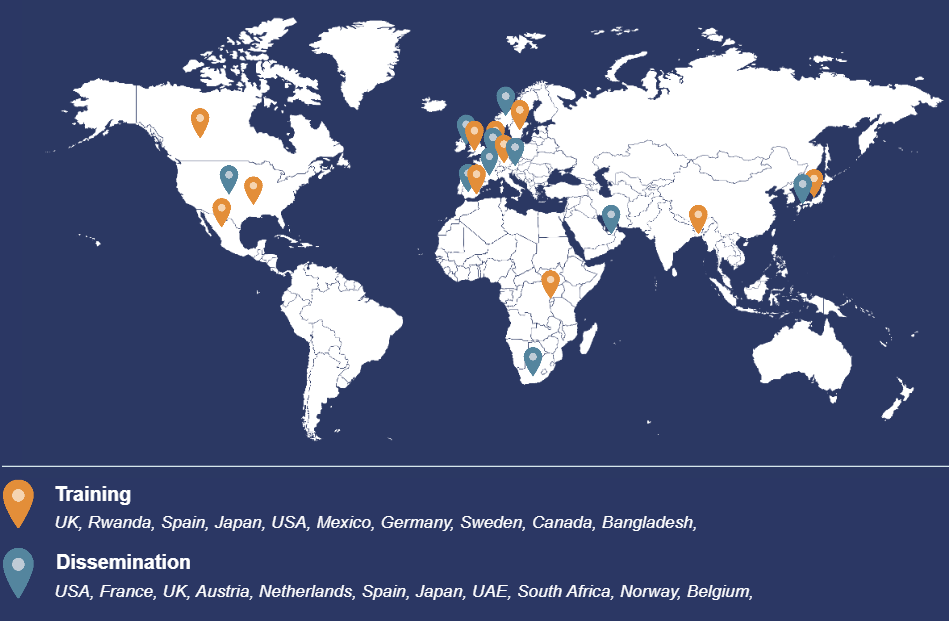
Locations around the world where Risk Know-How training and dissemination has taken place.

The difference Risk Know-How makes

Risk Know-How brings together the expertise of leading risk communicators and the insights and experience of Risk Know-How practitioners and their communities. Risk Know-How has been implemented globally – helping farming communities to understand the likely impacts of climate change, helping colleagues to discuss safety on major, multilingual construction sites, and giving clearer guidance about emergency alerts and identifying why warnings are ignored.


Risk Know-How helps us to engineer a safer world.

In numbers

165

Risk areas with Risk Know-How practitioners

60

Countries involved in Risk Know-How

100+

Resources available

20 years

Of real-world risk information and experience

Where we've made a difference

The Risk Know-How team presented insights from the Framework that have shaped conversations around flooding risk, responsible use of AI, and navigating false alarms in the maritime industry.

The UK Government Digital Service has signposted the Responsible Handover of AI framework, designed using concepts from Risk Know-How, in their Data and AI Ethics Guidance.

Spanish Ministerial staff training

The National Office of Science Advice in Spain adopted Risk Know-How to train 22 ministerial science advisers in critical thinking about risk.

Communities in Western Kenya regularly face risks of flood, yet they were not sure how to act in a flood emergency. Risk Know-How practitioner Bernard Okebe tested how the Risk Know-How approach could support flood risk communication and community engagement on local radio.

In October 2024, flash floods devastated Eastern Spain, killing over 200 people and severely disrupting communities. By interviewing those affected, analysing media coverage and testimonies shared in traditional and social media, we identified patterns in what people really wanted to know during the crisis, and how flood risk communication can be improved to reduce future harms.

Teachers in Nigeria wanted to explain cyber harms to their students. Following the Risk Know-How framework, Maldita.es, a Spanish organisation that fights disinformation, created a series of videos on understanding AI.

Nearly 15 years after the Fukushima Daiichi nuclear incident, farmers are returning to Iitate village but they face restrictions. Funded through the Risk Know-How project, Mariko Nishizawa invited scientists, farmers, students, politicians and journalists to a stakeholder workshop to address these challenges, using principles of the Risk Know-How framework to guide discussion.

Testing the framework: Models for future development

Local partners tested the framework and workbook in communities in Chile and Mexico. After testing the framework, the Chilean group and local policymakers in Peñalolén developed several recommendations for local application

Mosquito-borne diseases such as malaria, dengue and zika remain major public health threats worldwide. When we spoke to Risk Know-How practitioner Henry Rowland, supporting engineering students on construction safety in Kenya, he highlighted a clear gap: workers needed simple, accessible guidance.

Members of the initiative Risk know-how from Sense about Science in the UK collaborated with Agua para el ambiente to identify statistical concepts that could help the community navigate information and respond to local authorities.

The safety charity Safetyknot developed a construction-sector-specific adaptation of the Framework, shaping the key concepts into short, practical, accessible resources for construction workers.

Aquí Nos Cuidamos has enhanced Risk Know-How amongst marginalized communities in Puerto Rico. Specifically, the project has provided individuals and organizations with a one-stop place to find reliable, accessible, culturally relevant, science-based information to prevent Covid-19.

Testimonials

Risk-Know How has benefited communities all over the world. Hear from the some of the individuals impacted by Risk Know-How.

I did not take precautions when the government was giving out the [flood risk] information. It was just like any other information so we didn’t know what to do. But through this programme now I’m fully aware of what to do before, during and after.
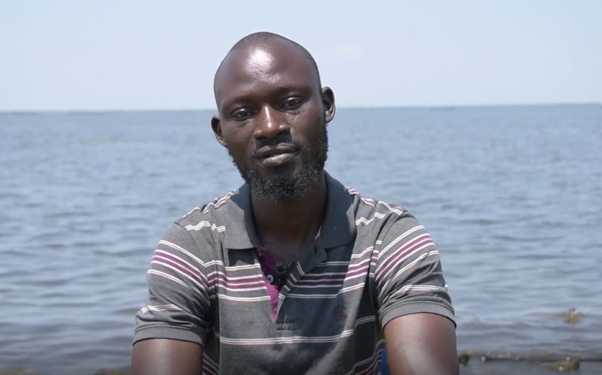
Enoch Ownor
Enoch Ownor
Resident of Nyamasaria-Kisumu
We suffer because of lack of proper and timely information and this is why we highly appreciate this unique programme by Risk Know-How.
Bob Otieno
Bob Otieno
Resident of Seme Sub-county
As climate change accelerates the frequency and intensity of extreme weather events, the need for effective risk communication has become even more urgent. Communities working in high-risk environments such as coastal fishers, farmers, construction workers, and other vulnerable groups often face complex decisions under conditions of uncertainty, limited access to reliable information, and communication barriers. Risk Know-How helps bridge these gaps of risk communication by supporting locally relevant, evidence-informed dialogue that strengthens understanding, preparedness, and resilience.
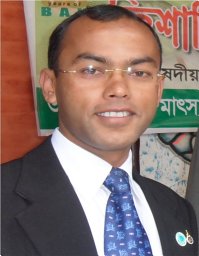
Sazedul Hoque
Sazedul Hoque
Dept. of Fisheries Technology, Patuakhali Science and Technology University, Bangladesh
I go to very hazardous construction sites, which is clearly a risk of injury. I know the injuries have been happening and I can see that there’s problems there, but people say to me, ‘Oh no, safety first’ and I realise that this is because the concept of risk and safety is subjective.
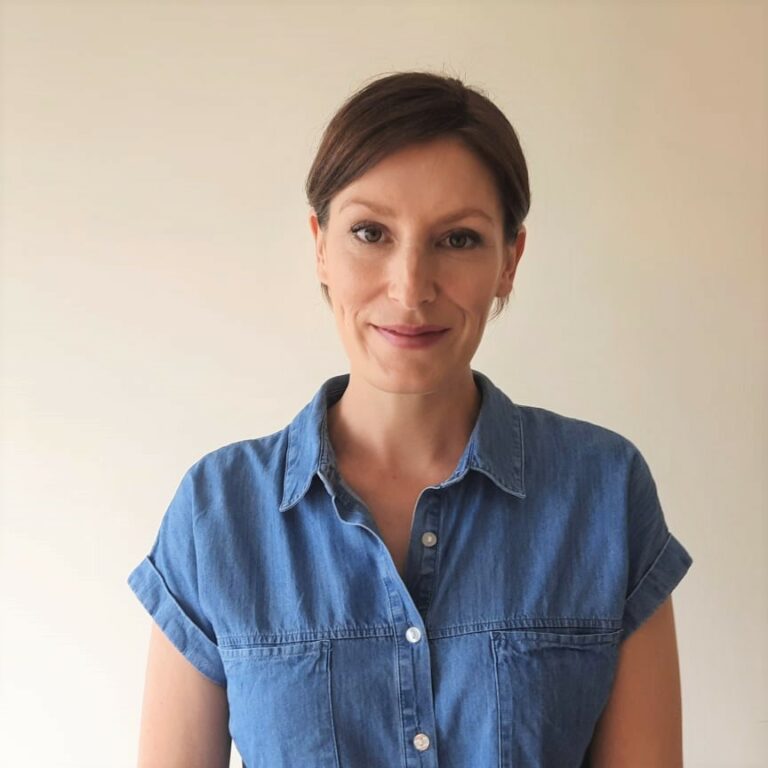
Katherine Weatherburn
Founder of Safefyknot, Cambodia and Nepal

These options may help you use our website more easily. For more information please check our accessibility statement.

  • Large text
  • Low contrast
  • Dark mode
  • Reduced motion