Actions for a safer environment: avoiding and eliminating mosquito breeding sites
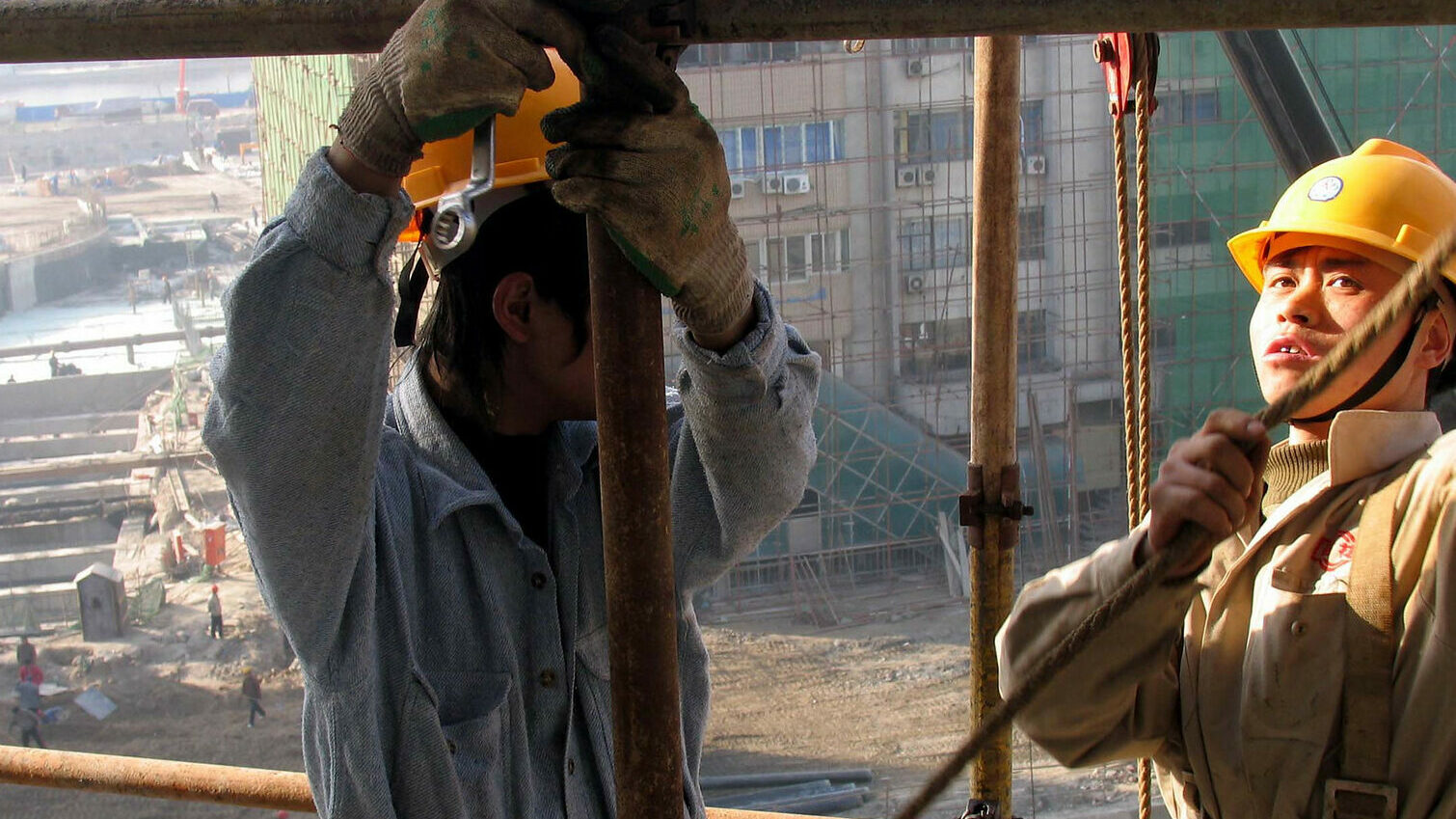
Mosquito-borne diseases such as malaria, dengue and zika remain major public health threats worldwide. Outdoor construction workers are particularly exposed – especially where standing water in buckets, containers or pooled areas creates ideal mosquito breeding sites.
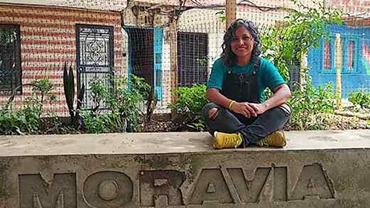
When we spoke to Risk Know-How practitioner Henry Rowland, supporting engineering students on construction safety in Kenya, he highlighted a clear gap: workers needed simple, accessible guidance. Existing materials were often behind paywalls, written in inaccessible language, or not tailored to real-world site conditions.
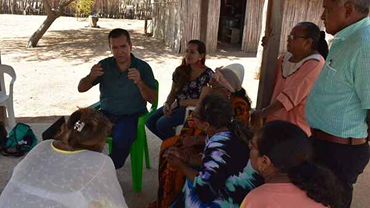
At Kisumu Informal Settlement Youth Agenda, we collaborate with other groups in the community in ensuring that there is awareness on issues of risk and how to mitigate and reduction of its impact on communities.
– Henry Rowland Otieno, Kisumu Informal Settlement Youth Agenda (KISYA) co-coordinator – Engineering Students Association at Masinde Muliro University of Science and Technology
A community-driven solution
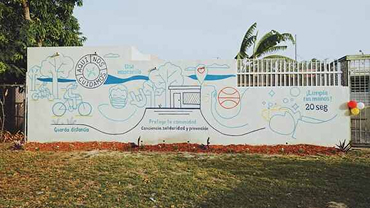
Working with our partners at Ciencia Puerto Rico, we adapted their Spanish-language resource “Aquí Nos Cuidamos” – designed to provide practical, evidence-based guidance on eliminating mosquito breeding sites.
We ensured cultural and workplace relevance through practitioner review, supporting translation and dissemination to test groups.
Sharing risk resources between communities is fundamental for enhancing resilience and effectiveness in response to common challenges, such as mosquito-borne diseases like Malaria, Zika and Dengue.
– Yona Yangaza, Public Health Advocate working in Kenya, Nigeria and Tanzania
Real-World impact
This resource is now being shared through NGOs and community health organisations to support mosquito-bite prevention in high–risk working environments.
By transferring knowledge across regions and adapting it to local contexts, we’ve strengthened community capacity to prevent avoidable health risks – demonstrating how risk understanding, when shared effectively, leads to collective action.