
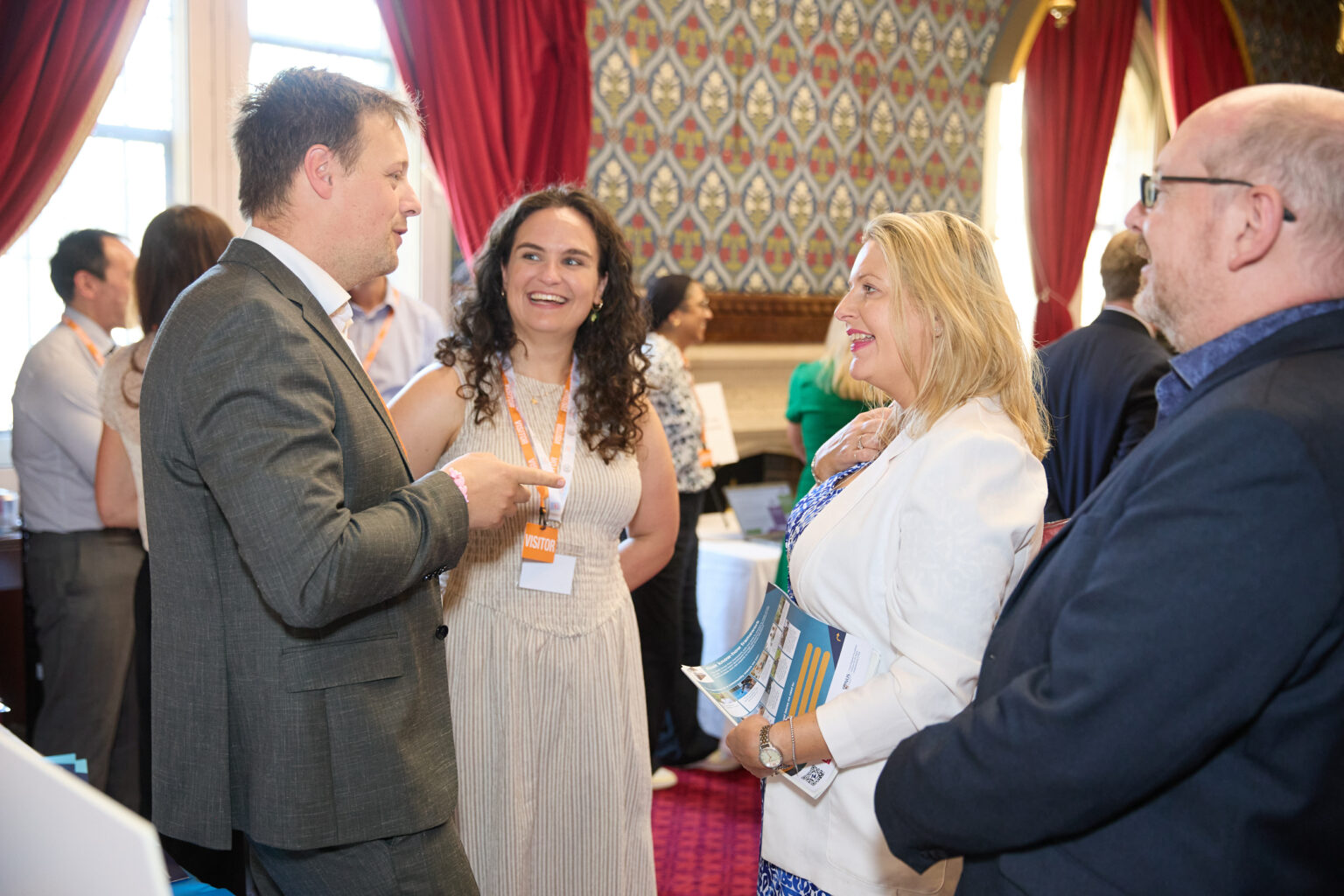
Evidence Week brings together parliamentarians, researchers and the public to discuss how evidence used to make policy decisions is scrutinised. Read about how Risk Know-How has been involved over the years.
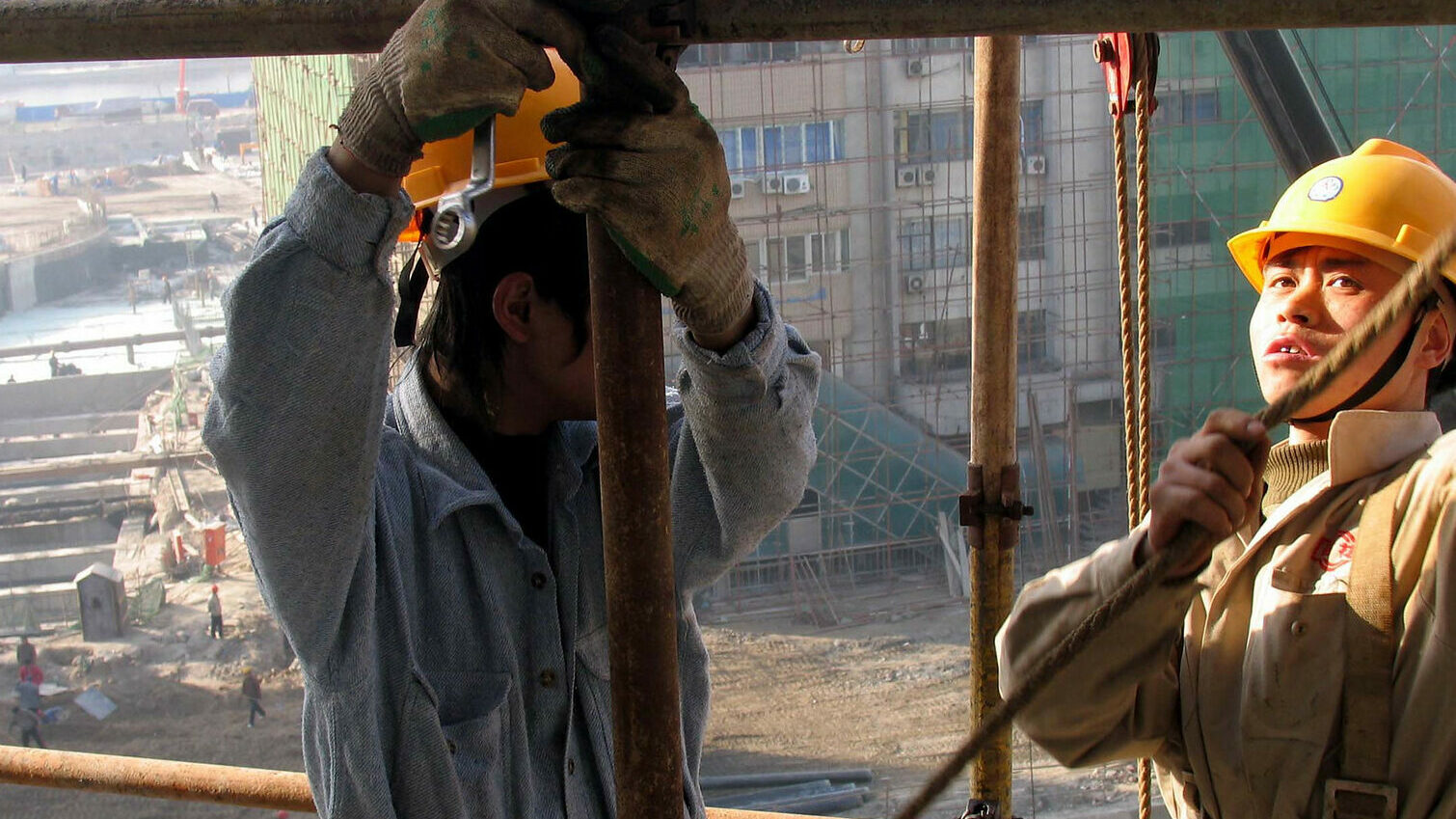
Risk Know-How has collaborated with Safetyknot, a UK-based training organisation that provides accessible, culturally appropriate safety and first-aid support, to produce ‘Toolbox talks: how to understand risks on building sites‘.
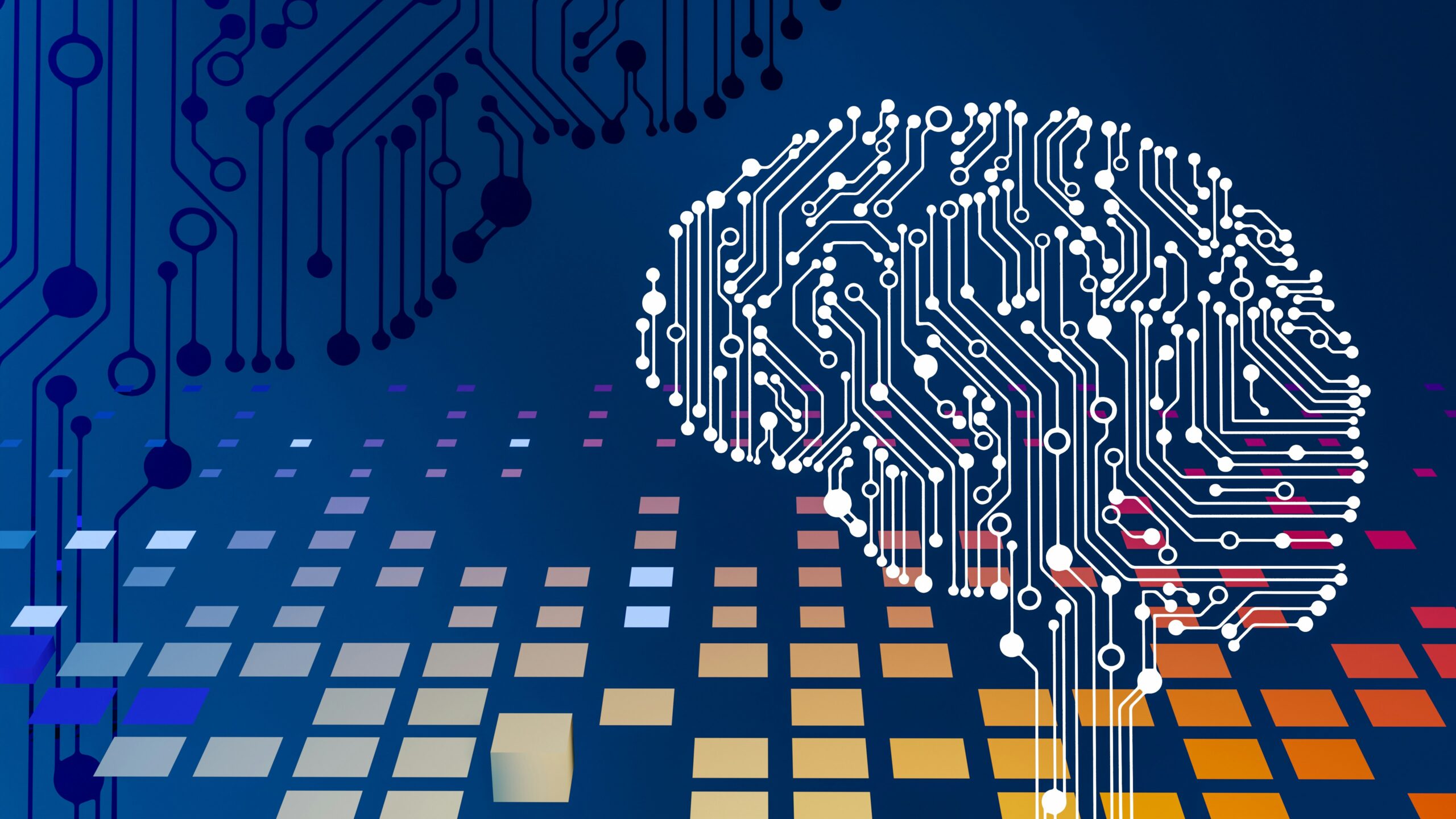
The Responsible Handover Framework is an AI governance approach developed by Sense about Science [link to Sense about Science]. It aims to ensure that critical information is not lost when AI-powered tools and technologies are transferred from one party to another, thereby managing risk, improving safety and building trust in AI.
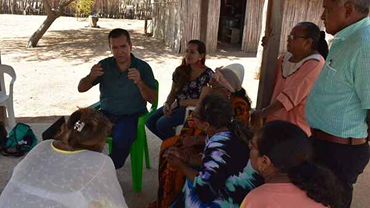
Two million Colombians (4% of the population) do not have access to electricity. Colombia has abundant water, yet it faces water security issues. Climate change is causing longer droughts and extreme weather events. Urban growth and industrialisation are putting additional stress on water resources. As a result, an estimated 1.4 million Colombians lack access to clean water.
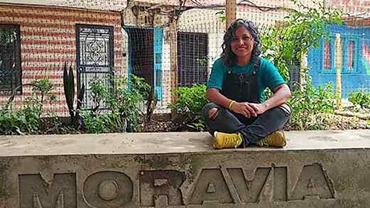
Cielo is a community leader of the Moravia neighbourhood in Medellín and co-founder of the Urban Oasis Foundation. She actively engages with her community to ensure that the neighbourhood is a safe space for all that live there. She is vocal about helping her community understand different risks that they face and how to address them.
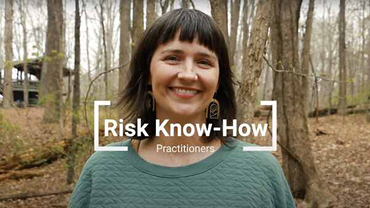
Sarah is an outdoor educator and co-founder of Athens Forest Kindergarten, USA. She helps adults and children ask meaningful questions about risk, anticipate the consequences of their and decisions and build confidence to live with uncertainty. We spoke to her to understand what Risk Know-How means to her.
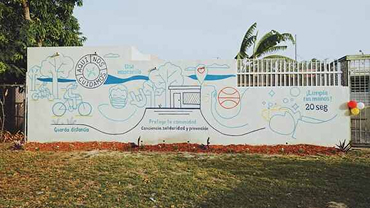
Community leaders provide important safety nets for vulnerable and marginalized populations in Puerto Rico. Confronted by colonialism, government and institutional failures, austerity, and natural phenomena, and political disasters, these individuals take outsized and often volunteer roles to support groups that are disproportionately impacted by these issues.
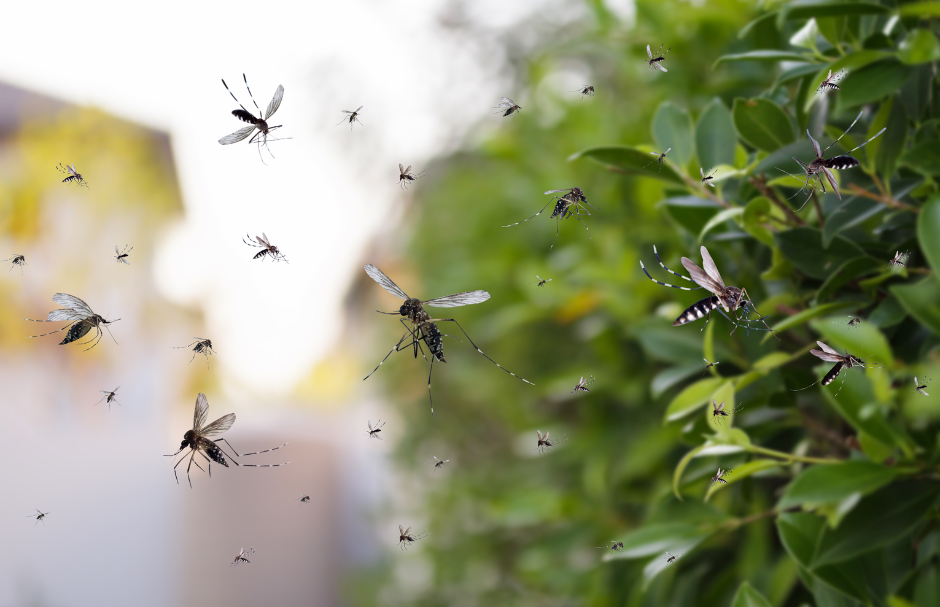
Mosquito-borne diseases such as malaria, dengue and zika remain major public health threats worldwide. Outdoor construction workers are particularly exposed – especially where standing water in buckets, containers or pooled areas creates ideal mosquito breeding sites.
Risks posed by climate change are some of the most pervasive facing communities internationally. However, much of the information available fails to give communities what they need.
Artificial intelligence (AI) is increasingly shaping how we find information, communicate and make decisions online. As AI tools become more common, new questions emerge around trust, accuracy and safety.
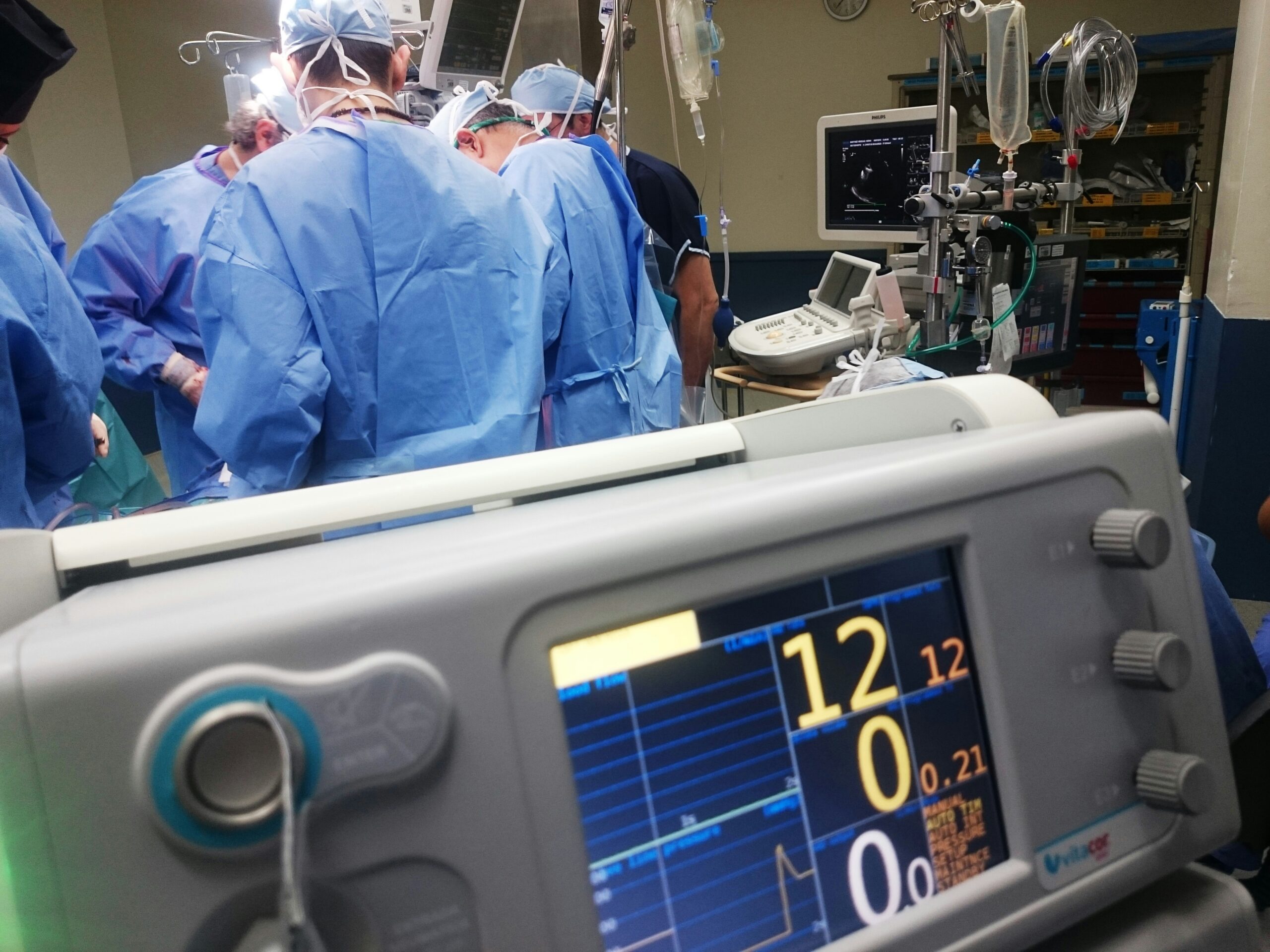
While general anaesthesia is widely used for safe, pain-free surgery, the risks associated are often complex to communicate and understand. Some risks are common and short term, while others are rare but more serious, and individual experiences vary.