Home | Risk Communication In Practice | Risk Know-How at Evidence Week
Share:
Case study

Risk Know-How at Evidence Week

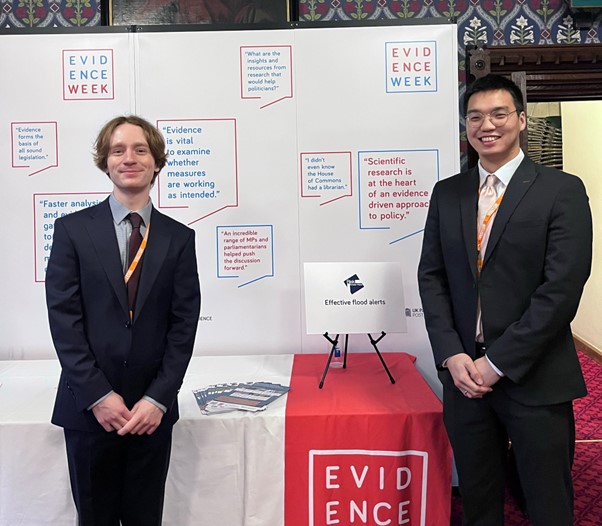
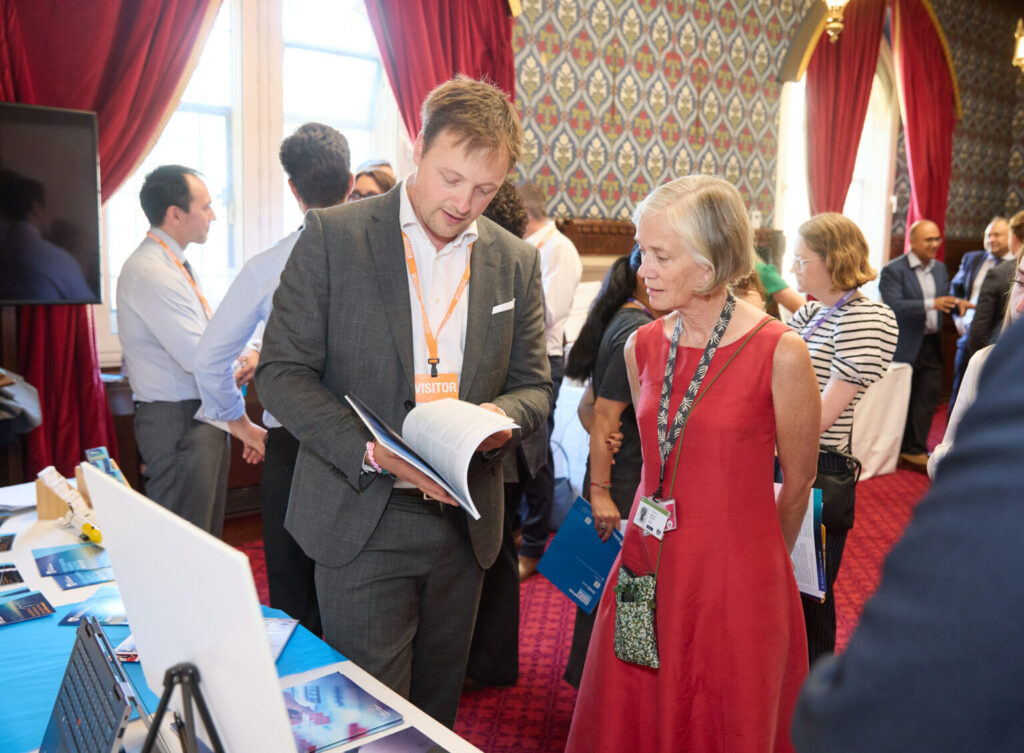
Risk Know-How briefing in UK Parliament during Evidence Week 2021

Evidence Week has been held annually in Westminster since 2018, and brings together researchers, community groups and parliamentarians to share ideas about research and policy.

In the 2021 edition, held early November, Risk Know-How had an in-person stand at the event to brief MPs and Parliamentarians on how the framework can help to respond to constituents’ queries on risks in their community such as flooding, COVID-19 tests in schools, or how AI facial recognition might be deployed in future.

Find out more about Evidence Week here.

Risk Know-How framework presented in UK Parliament

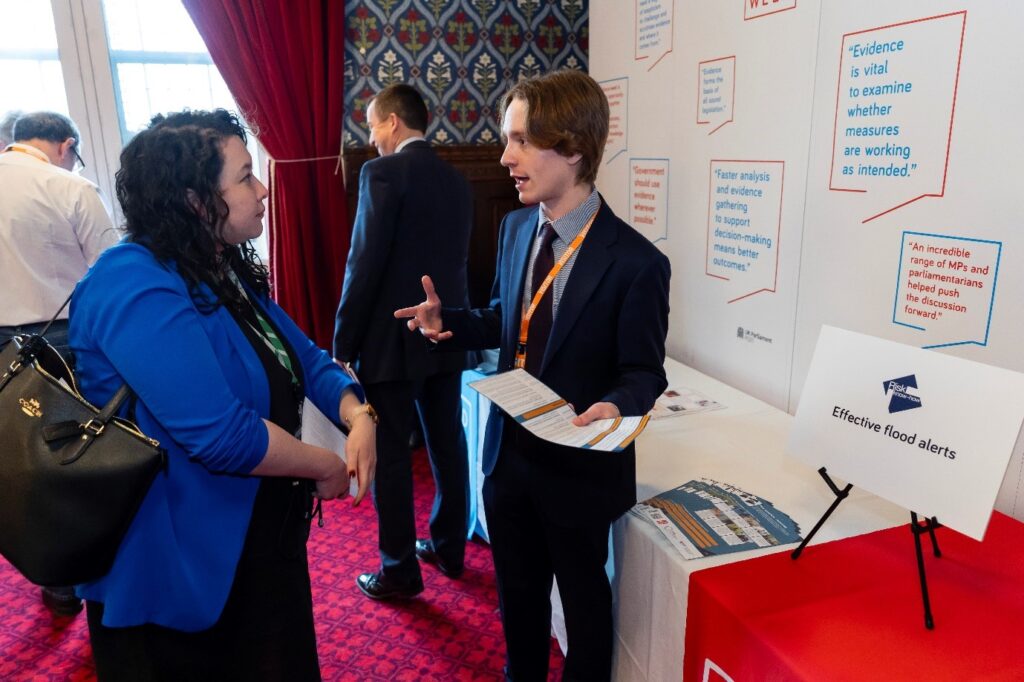
As part of Evidence Week 2024, the Risk Know-How team delivered a quickfire policy briefing to parliamentarians and their staffers to discuss how the framework can be used to improve government’s risk communication and empower the UK population to better deal with risks. The team spoke to a large group of parliamentarians, including connecting with 10 MPs offices.

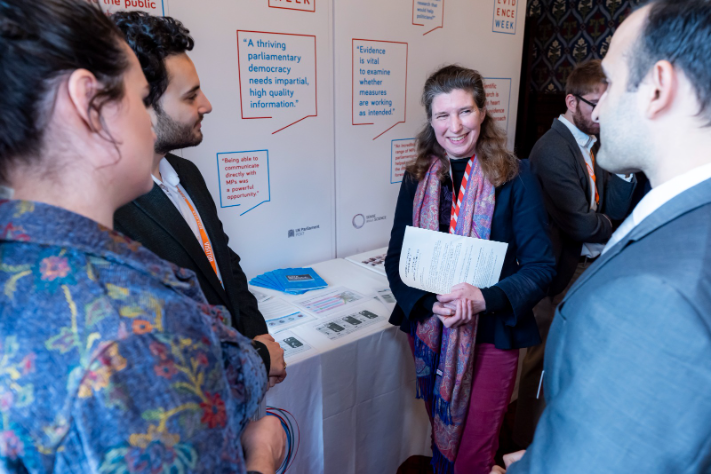
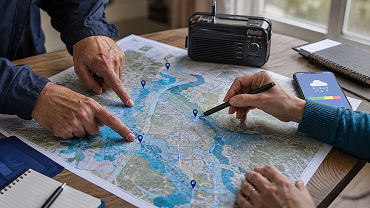
The briefing drew on lessons  learnt from recent failures in flood communication in Valencia and Wales. MPs recognised the need to improve the alert systems by making sure information is contextualised to its intended audience and that the impacts are stated clearly without solely relying on a ‘red-amber-green’ style system. The team also demonstrated how the framework can be used as a tool to question risk communication strategies. This has resulted in Victoria Collins MP tabling a question to ask the UK Government to integrate the framework into the flood alert system.

Risk Know-How team talking to Victoria Collins MP.

A training session aimed at MP staffers and parliamentary researchers was also delivered by the Risk Know-How team. Over 30 staffers attended the session on how to better understand risk information, which focused on key concepts from the Framework, including the difference between relative and absolute risks, and the need to state the uncertainty clearly during communication.

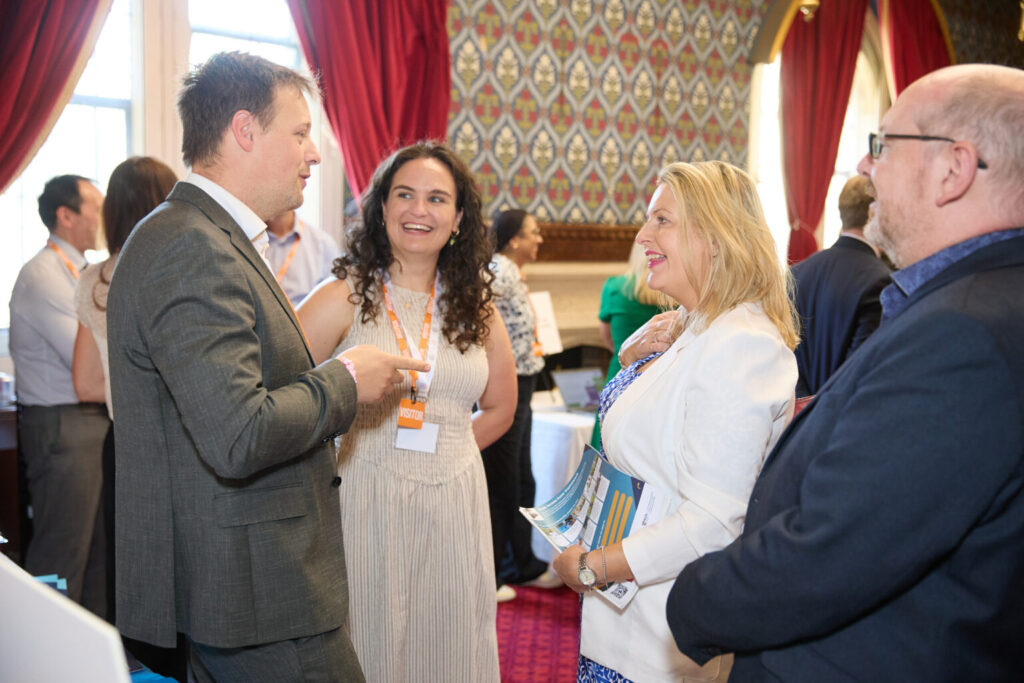
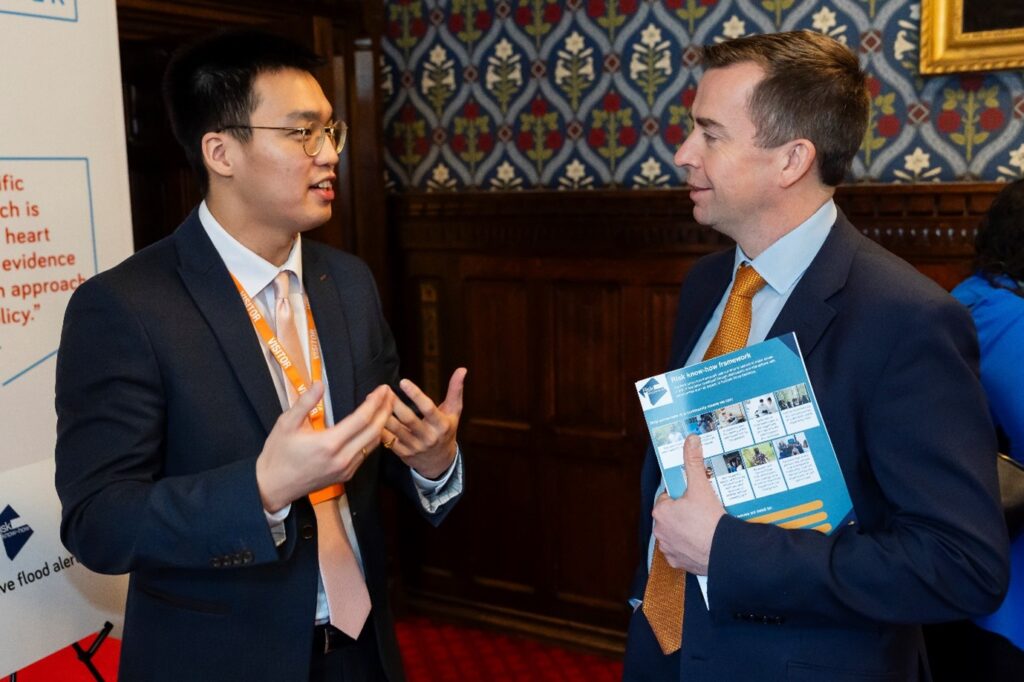
Risk Know-How team talking to Calum Miller MP.
Risk Know-How team at Evidence Week 2024.

Risk know-how for the UK Parliament: Responsible adoption of AI for non-experts

Last week, the Risk Know-How team presented “Responsible Adoption of AI for Non-Experts” to members of both houses of the UK Parliament. 

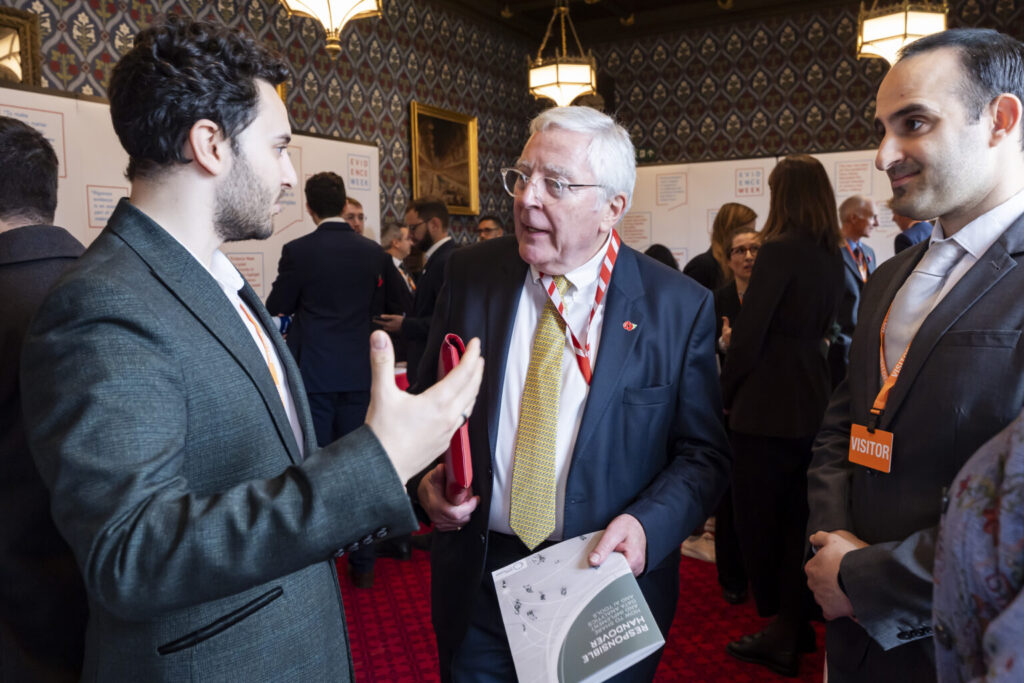
Together with Peter Capsalis; Sameh ElBadry and Clare Baker showcased our work on the Responsible Handover framework — a practical tool designed to help organisations verify that AI systems are used and implemented safely. The tool supports decision-makers in understanding the limits, risks, and accountability of AI applications in real-world contexts, empowering non-experts to make informed, responsible choices. 

The Risk Know-How team presenting to Baroness Freeman of Steventon.

The briefings to legislators and staff were part of the annual Evidence Week in Parliament organised by Sense About Science

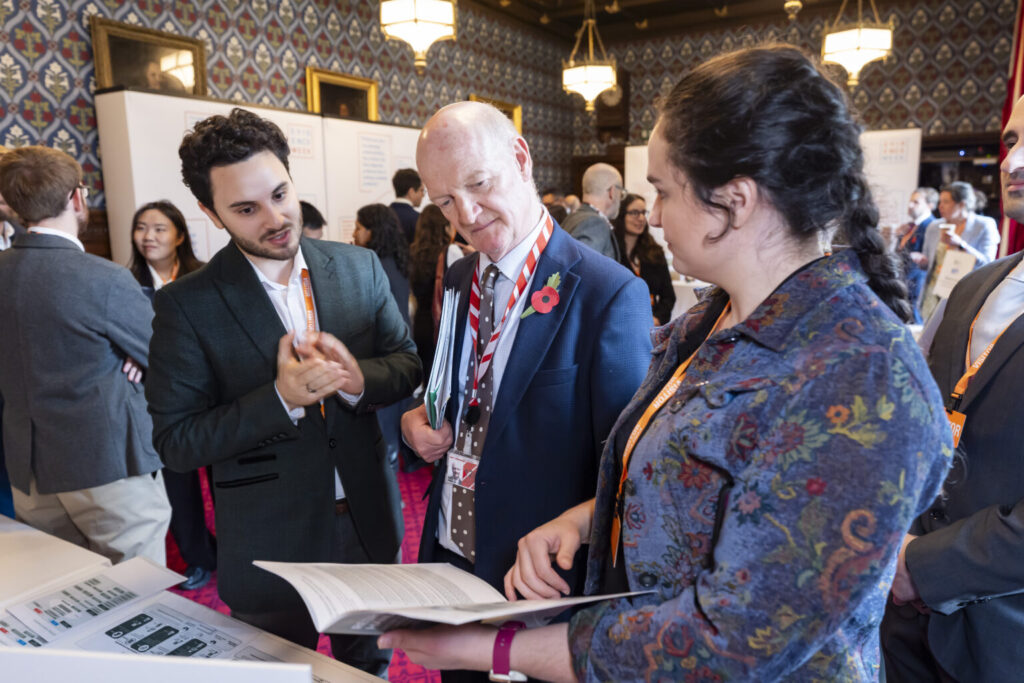
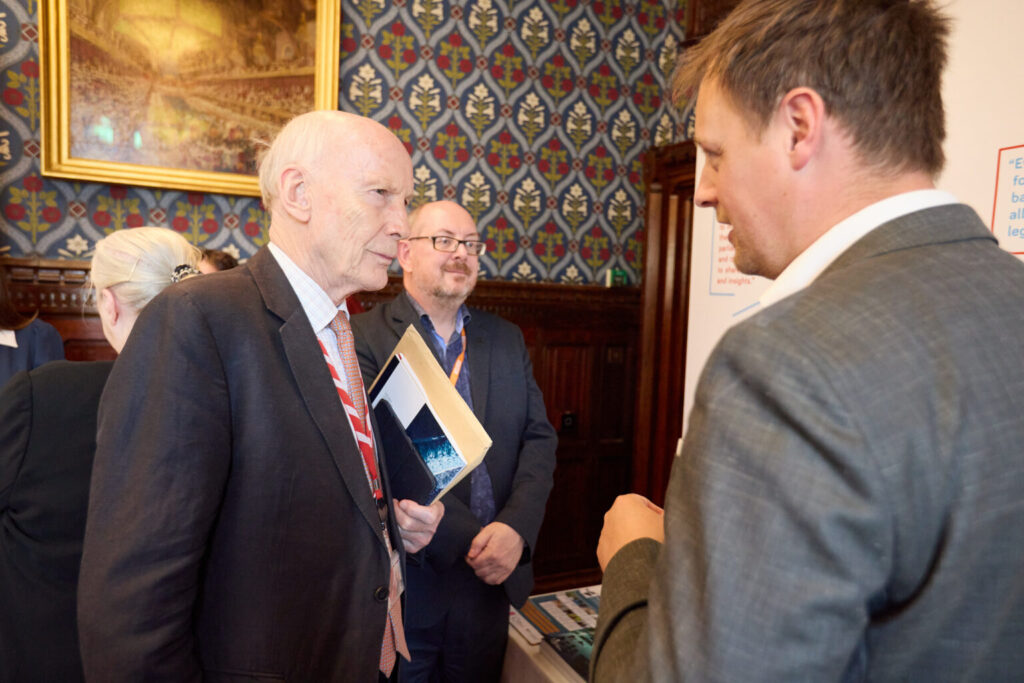
The Risk Know-How team was also proud to speak to Lord David Willetts.
Risk Know-How team talking to Lord Tim Clement – Jones

It was incredibly insightful for the team to exchange ideas with MPs, Lords, and policymakers about how we can strengthen trust, transparency, and good governance in AI adoption. Conversations like these are essential to ensure that innovation goes hand-in-hand with responsibility and evidence.
Alarm fatigue at Evidence Week 2026

Last week, the Risk Know-How team shared their insights on alarm fatigue in the maritime industry with members of both houses of the UK Parliament. Researchers Asger Christian Schliemann Haug and Duncan Duffy presented our findings on how alarm fatigue affects front line safety professionals at Evidence Week in Parliament, an annual event organised by Sense about Science. 

The Risk Know-How team presenting to Professor Dame Angela McLean.

This was a valuable opportunity to equip policymakers with key information on the risks associated with alarm fatigue, ensuring future policy decisions in this area are grounded in evidence. 

Risk Know-How team discussing their findings with Lord Mair.

Given that alarms are sometimes the only barrier to known risks on ships, addressing the prevalence of alarm fatigue is crucial to prevent incidents at sea. The team were pleased to share evidence-based methods to prevent false and nuisance alarms with MPs, members of the House of Lords and the Government Chief Scientific Adviser, which could reduce alarm load by over one third.

The team also shared insights with Mims Davies MP.

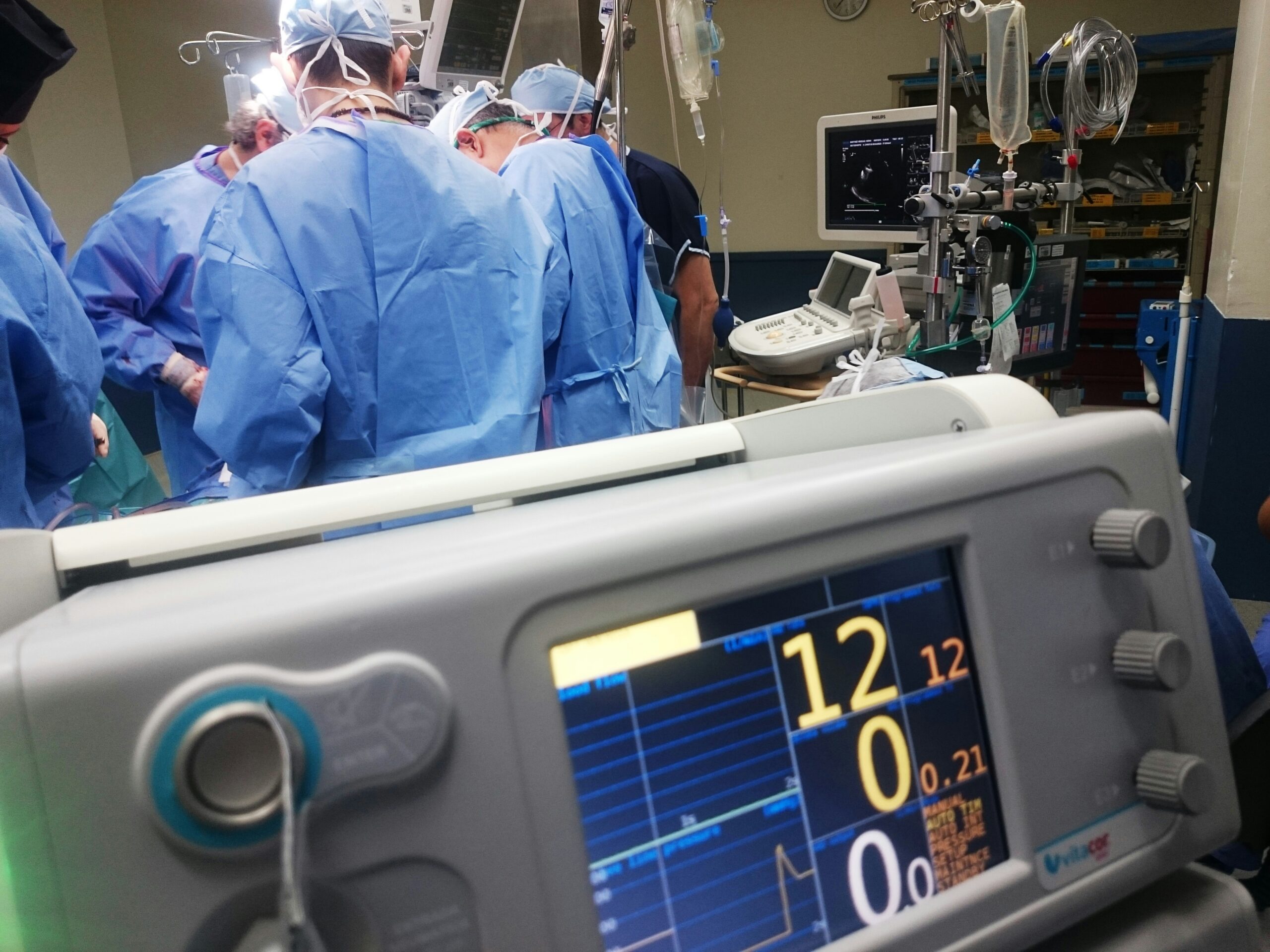
Given the pervasiveness of alarms in other, diverse sectors, the evidence shared by the Risk Know-How team in Parliament may benefit not only the maritime industry but healthcare, manufacturing and defence systems too.

Toolbox talks for construction safety

These options may help you use our website more easily. For more information please check our accessibility statement.

  • Large text
  • Low contrast
  • Dark mode
  • Reduced motion