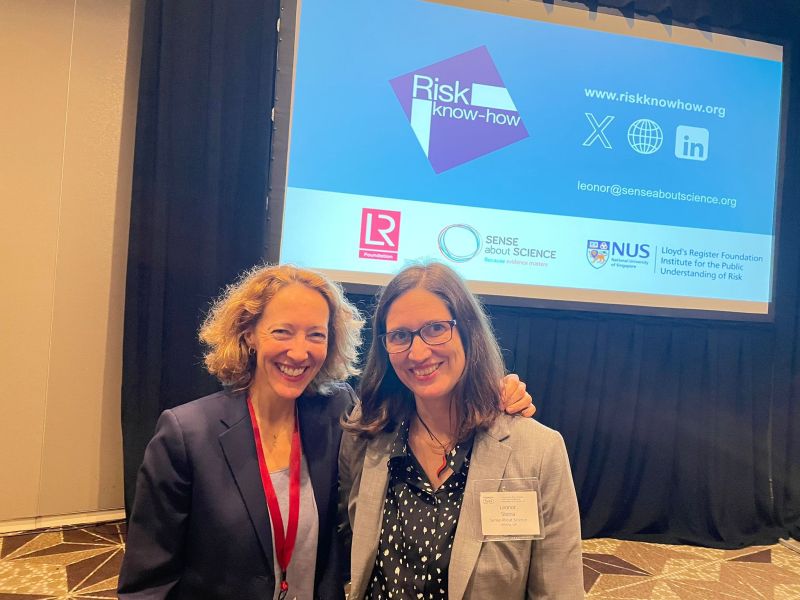
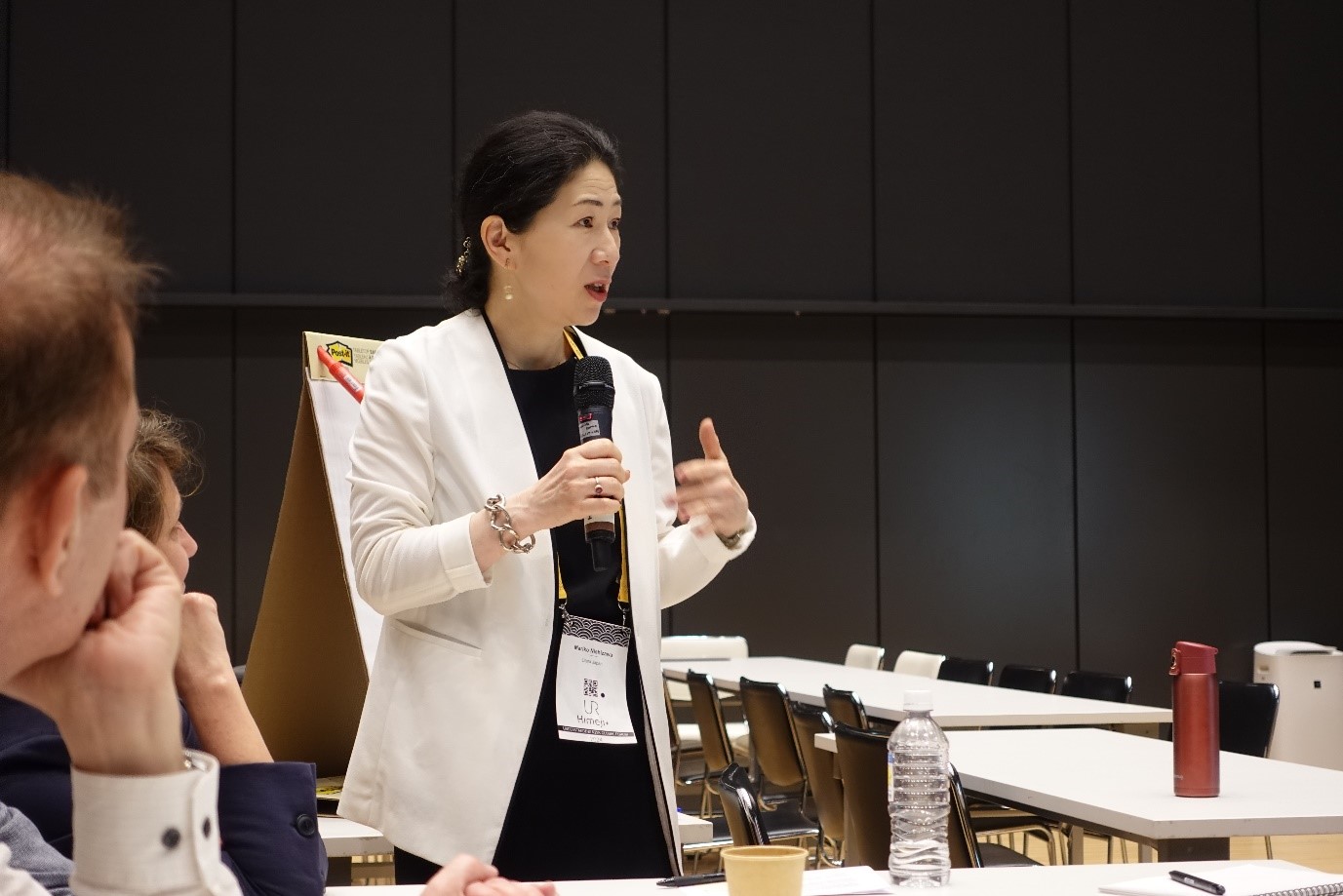
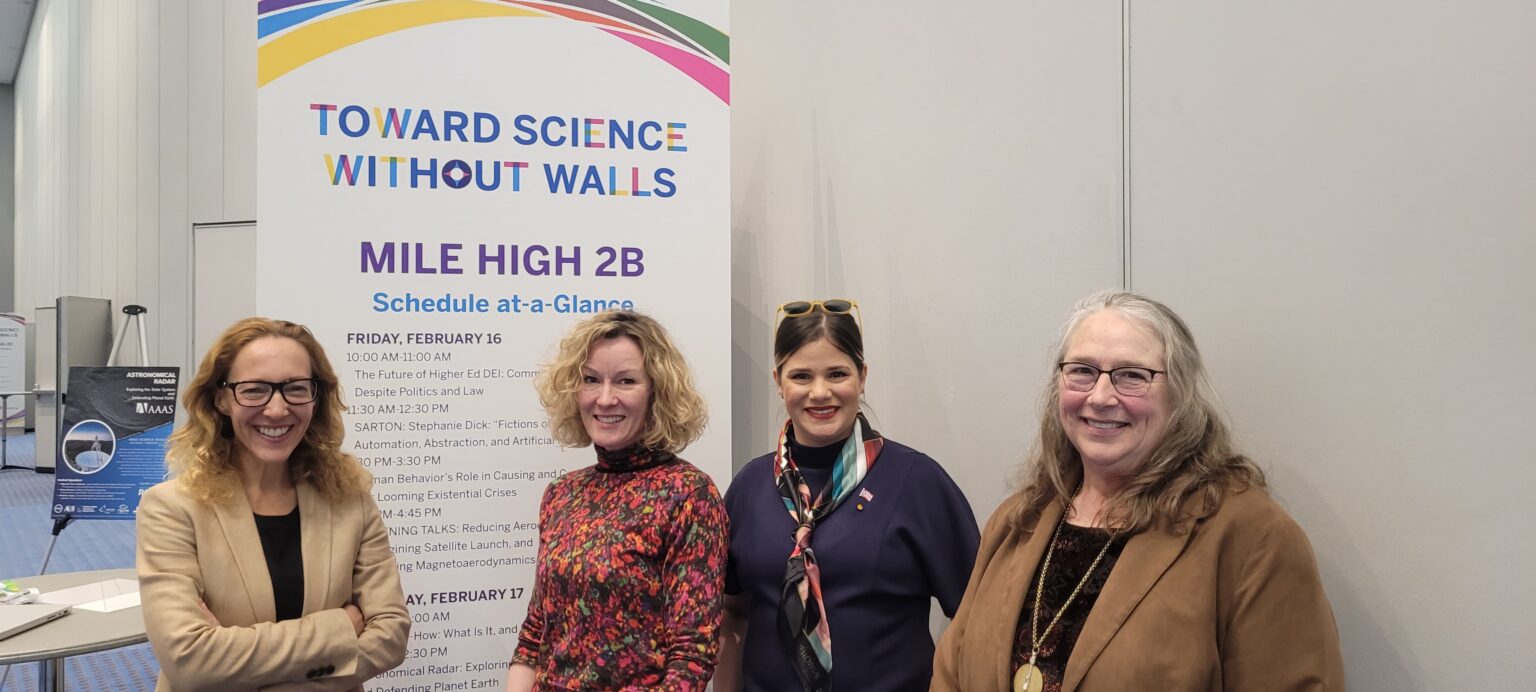
All around the world people are having difficult conversations about the choices they must make to combat risk in their daily lives. Employing Risk Know-How equips communities with the tools to ask specific questions about risks, find suitable and reliable information, and make reasonable comparisons between the potential harms and benefits of a situation, without being surprised by the consequences. Every situation is unique, and everyone has different ideas into how they approach difficult decisions. It is important to come together to discuss and share ideas, especially in an international setting. The European Open Science Forum (ESOF) offers a biennial platform for the scientific community to discuss and debate scientific culture, research and innovation, and we were delighted to participate and lead on exciting discussions regarding the challenges facing society at ESOF 2024.
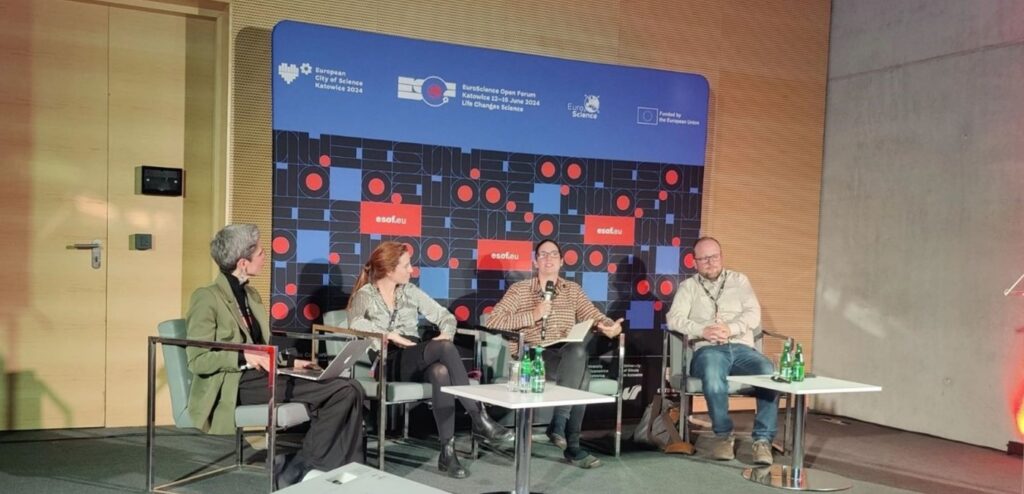
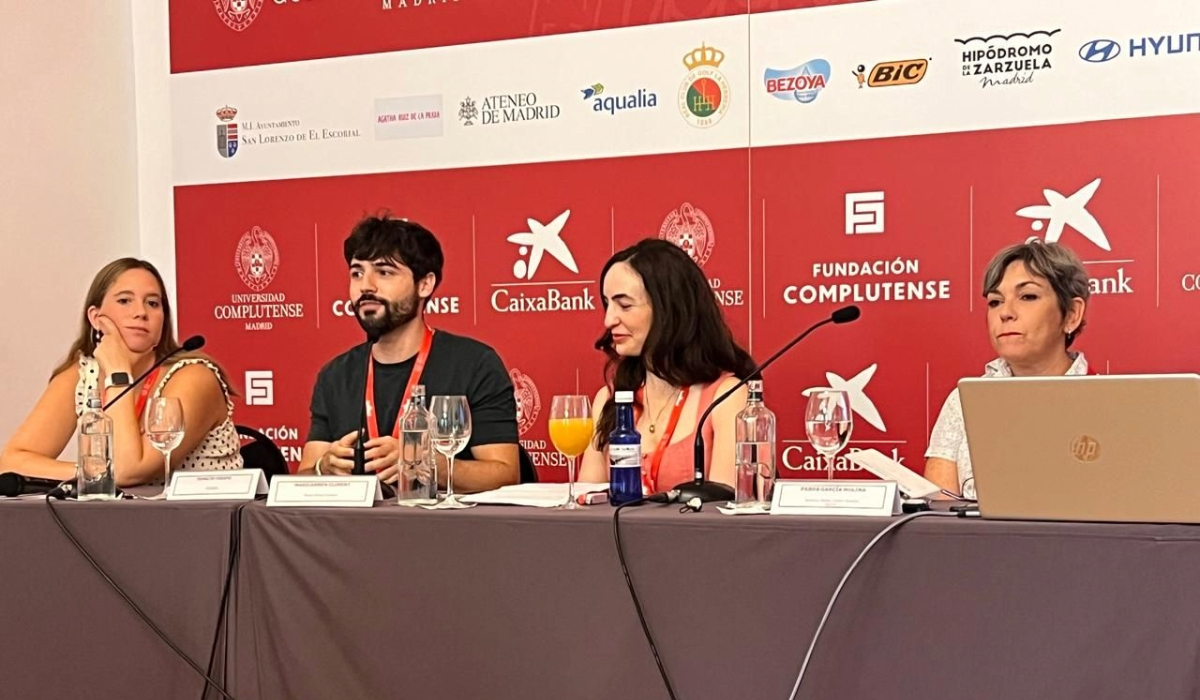
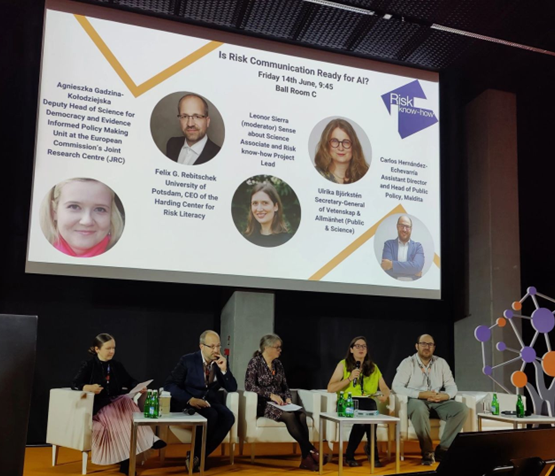
With the rapid rise in AI technologies, it has never been more important to fully understand the risks and benefits of integrating AI into our daily lives. Leonor Sierra chaired a panel looking at whether risk communication is ready for AI, joined by Ulrika Björkstén, (Secretary General at Vetenskap & Allmänhet), Carlos Hernández-Echevarría, (Assistant Director & Head of Public Policy at Maldita.es), Felix Rebitschek, (CEO at Harding Center for Risk Literacy) and Agnieszka Gadzina-Kolodziejska, (Deputy Head of Science for Democracy and Evidence Informed Policy Making Unit at European Commission’s Joint Research Centre). “AI risk represent, not a difference in kind, but a difference in degree” Ulrika stated as she opened the discussions from the panellist. There was a recognition of the lack of preparation for how far-reaching the risks posed by AI are.
While policymakers are already trying to mitigate risks through regulation, such as the EU’s proposed Artificial Intelligence Act, there is a need for know-how to question the quality of the tool, understanding its strengths and limitations to ensure it’s used as intended. We made the case for transparency and scrutiny in ensuring these technologies are implemented responsibly, noting that expertise to mitigate risks already exists in many areas, but it needs to be put into action.
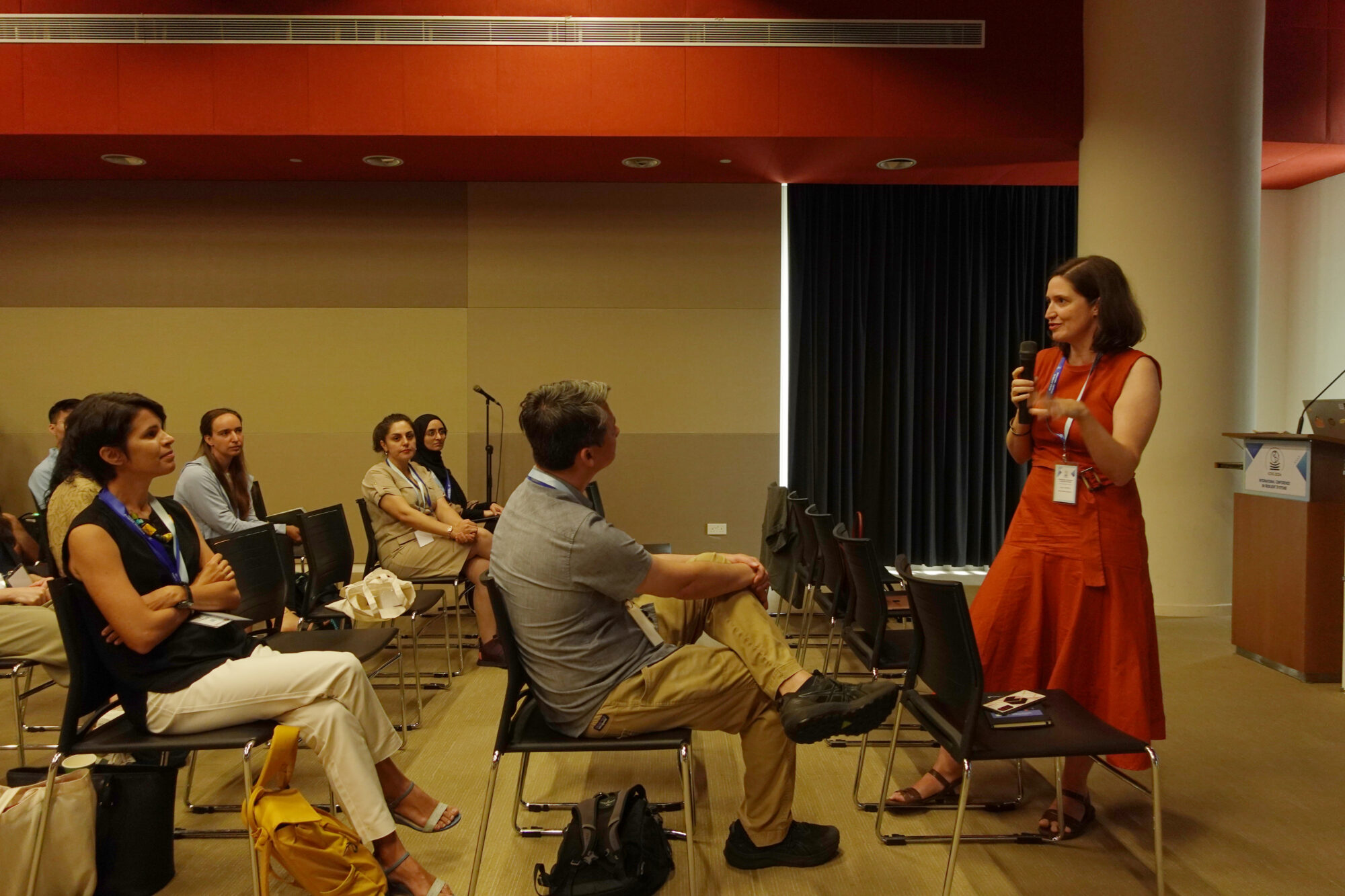
Risk Know-How was also on the agenda in discussion of how air quality data can be of practical use, with Leonor demonstrating how relevant experiences of communities around the world had shaped the Risk Know-How framework. Bringing the Risk Know-How ethos, Leonor emphasised the need for community-led decisions when addressing air quality concerns, since they represent the experts of their own context.
Susana Romao (Project Portfolio & Partnerships at Vizzuality), Chloe Elizabeth Hill (Policy Manager at European Geoscience Union) and Andrea Pozzer (Max Planck Institute) joined her to discuss the communication of air pollution targets in a way that can have a measurable regional or global impact.
Many of the discussions we had were about how discussing uncertainty can be empowering or how best practices in communicating risk learnt from years of work in health communication can be applied to emerging risks. This echoed conversations we have been having with practitioners around the world. Empowering communities to apply the Risk Know-How framework in different contexts is a key focus of the project and it was good to hear examples of where this could be applied.
Leonor Sierra, Risk Know-How Project Lead