All journalists play an essential role in mediating between risk information and their communities, but radio can play a particularly important role in reaching diverse audiences when it comes to risk communication.
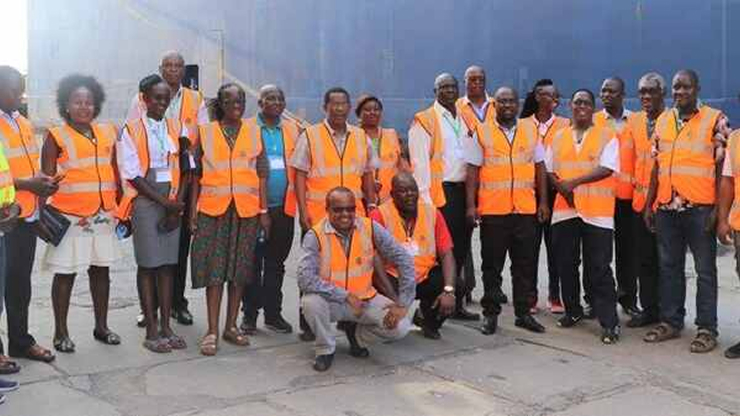
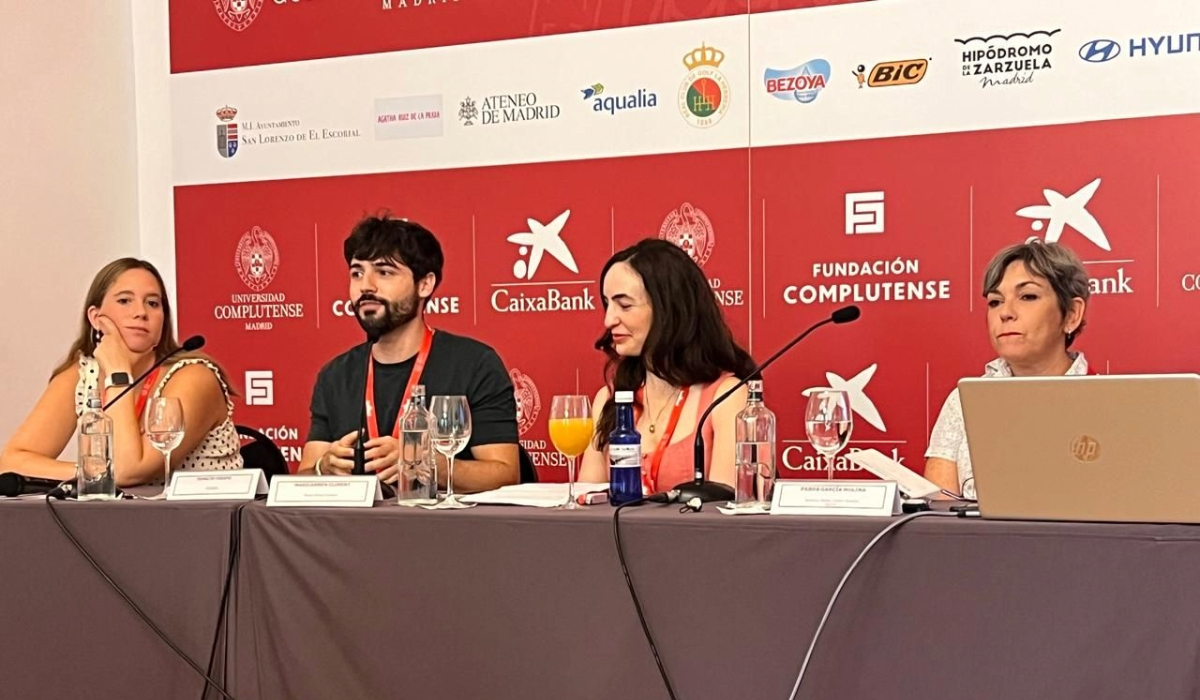
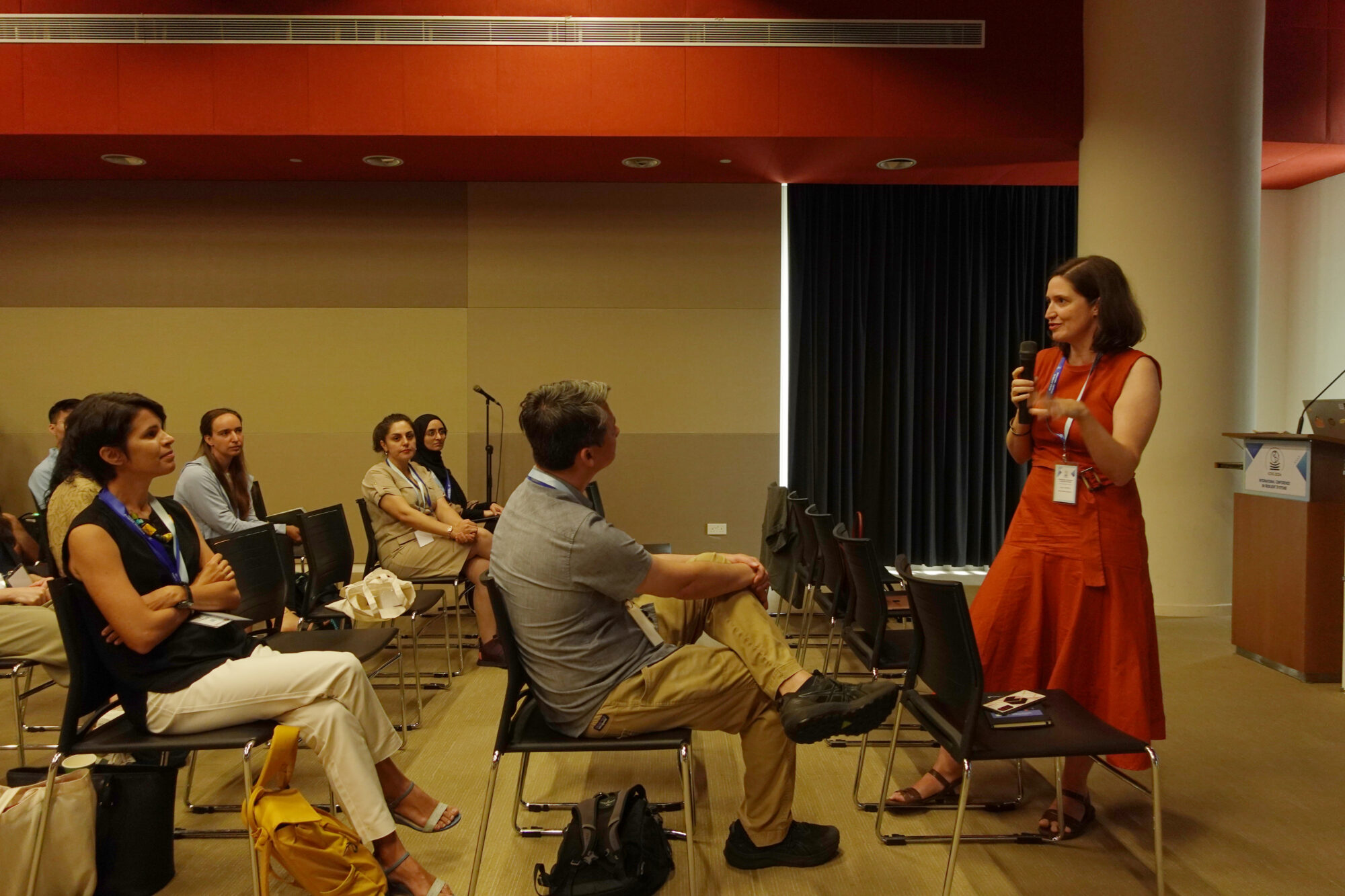
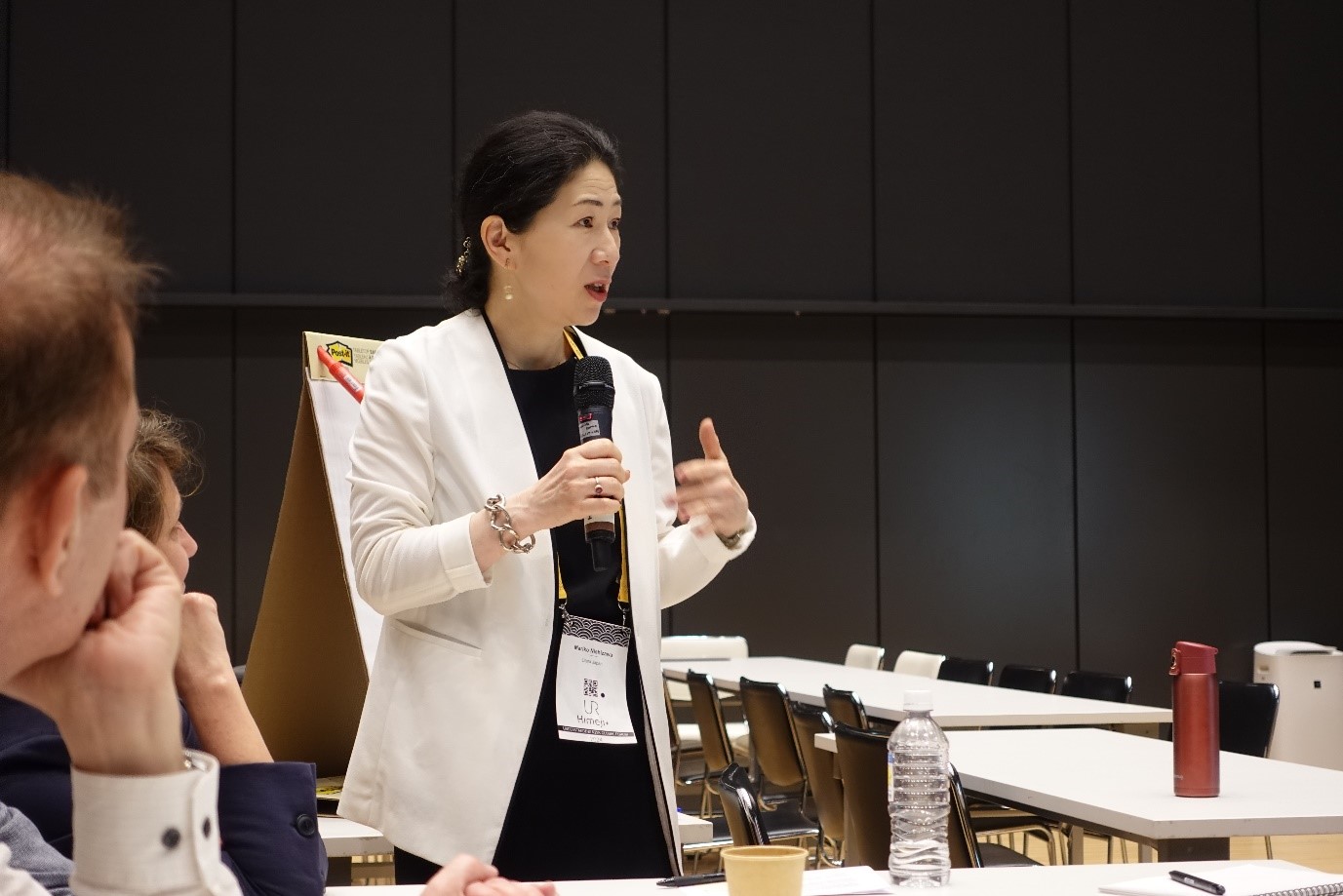
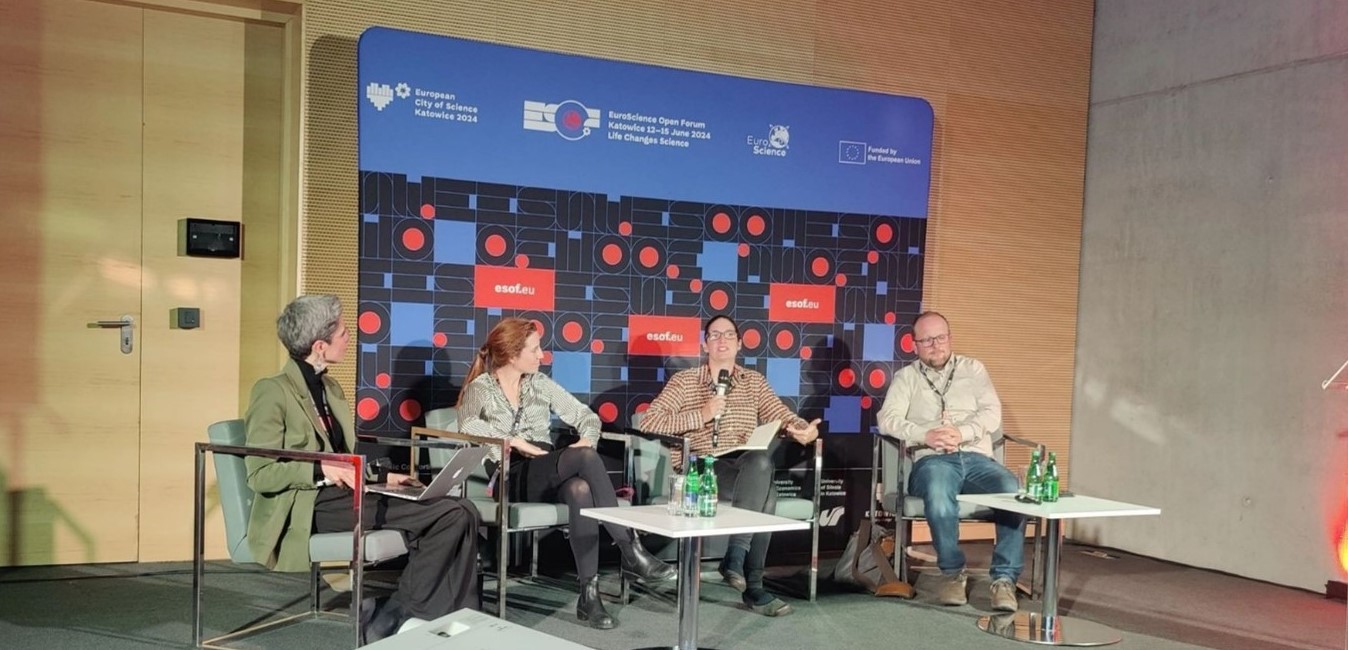
At the World Conference of Science Journalists 2025 in Pretoria, South Africa, a panel of radio journalists from around the world shared their perspectives about what makes radio unique and what are best practices and challenges in communicating risk information over radio waves.
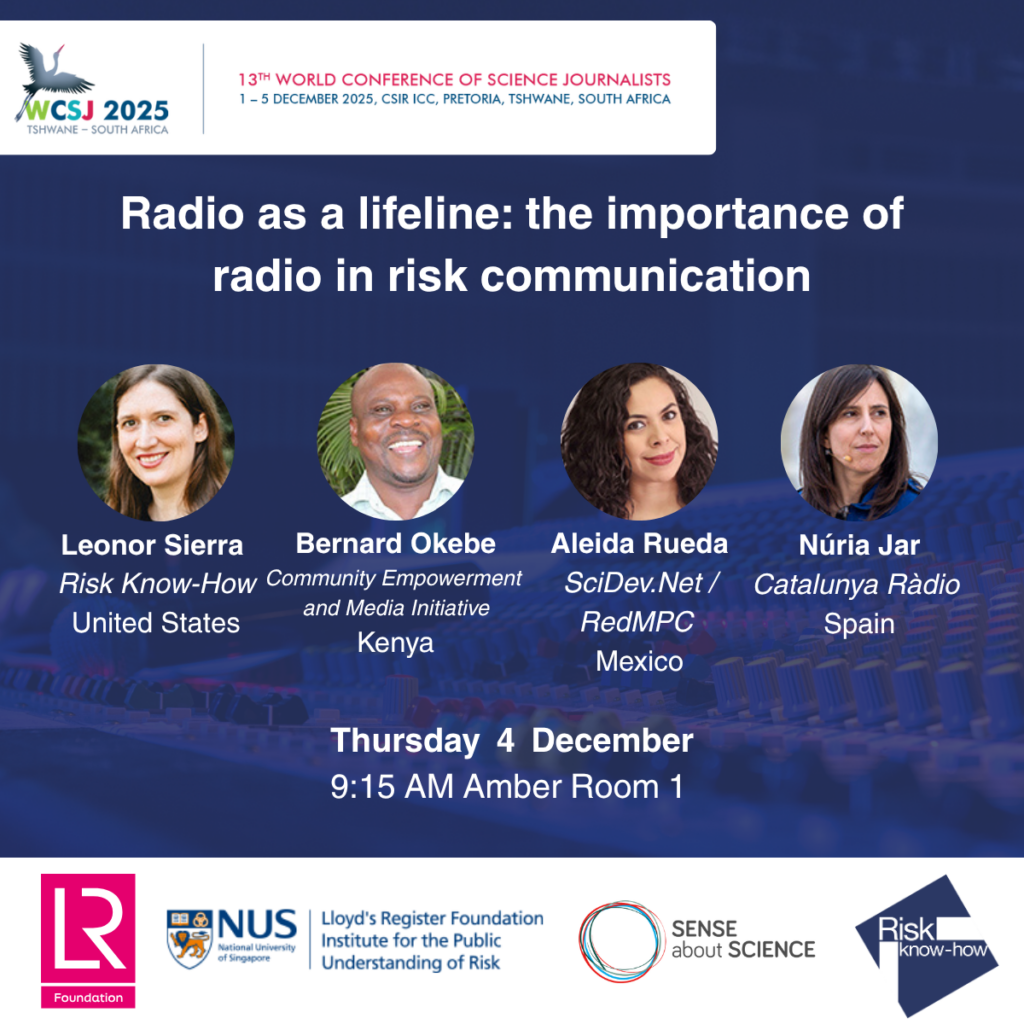
Their experiences drew from very different contexts: in disaster situations in Spain, helping Mexican communities navigate health decisions, or ensuring that radio messages on local west Kenyan radio helped the community understand what changing rainfall patterns mean.
During a lively discussion, the panelists and audience discussed how to ensure younger audiences continue to be engaged by live radio, how do you communicate impact and uncertainty of different risks, and how while “numbers are the enemy of radio” – in the words of Catalunya Radio journalist Nuria Jar – we need to figure out ways of including them if audiences are going to be able to weigh up risks in their own contexts.
Richard Harris, former NPR correspondent from the US agreed that numbers and radio are not a great match but shared an example of when they are key to include and do so well, dealing with absolute and relative risks.
This also raised the need for risk communication training to include tailored recommendations for when visuals, infographics, maps, graphs or the ability to recheck the information is not an option.
The discussion also explored the fact that radio is often listened to in a communal manner — while working, in a car with others, in common spaces — and often serves as kickstarter of community discussions. This strongly echoes some of our findings in the risk know-how project about how decision-making about risks in communities is also often a collective endeavour. The ability to create and support a discussion at a community level therefore makes it especially appropriate for risk communication. Moreover, radio often has live phone-ins which allows for in real-time addressing of the questions people actually have ensuring that the information is highly applicable to the community in question. This is also often done in local languages, many of which might not even have a written language, and therefore opens up risk information to otherwise underserved communities.
It became clear during the discussion that radio is more than a news medium, it is critical infrastructure and as such it should be supported and protected. By ensuring that radio journalists are effective risk communicators, we can ensure communities are prepared. Supporting radio so that it remains a widely used medium also makes sure that in a crisis, it might be there as the lifeline we all need.