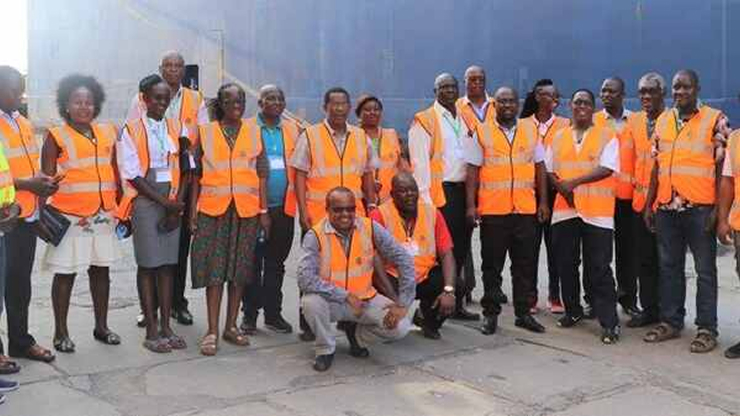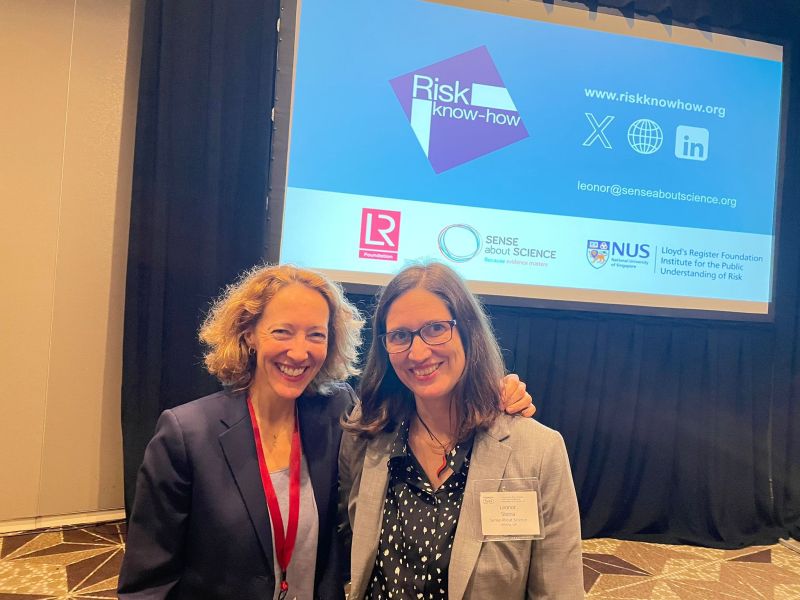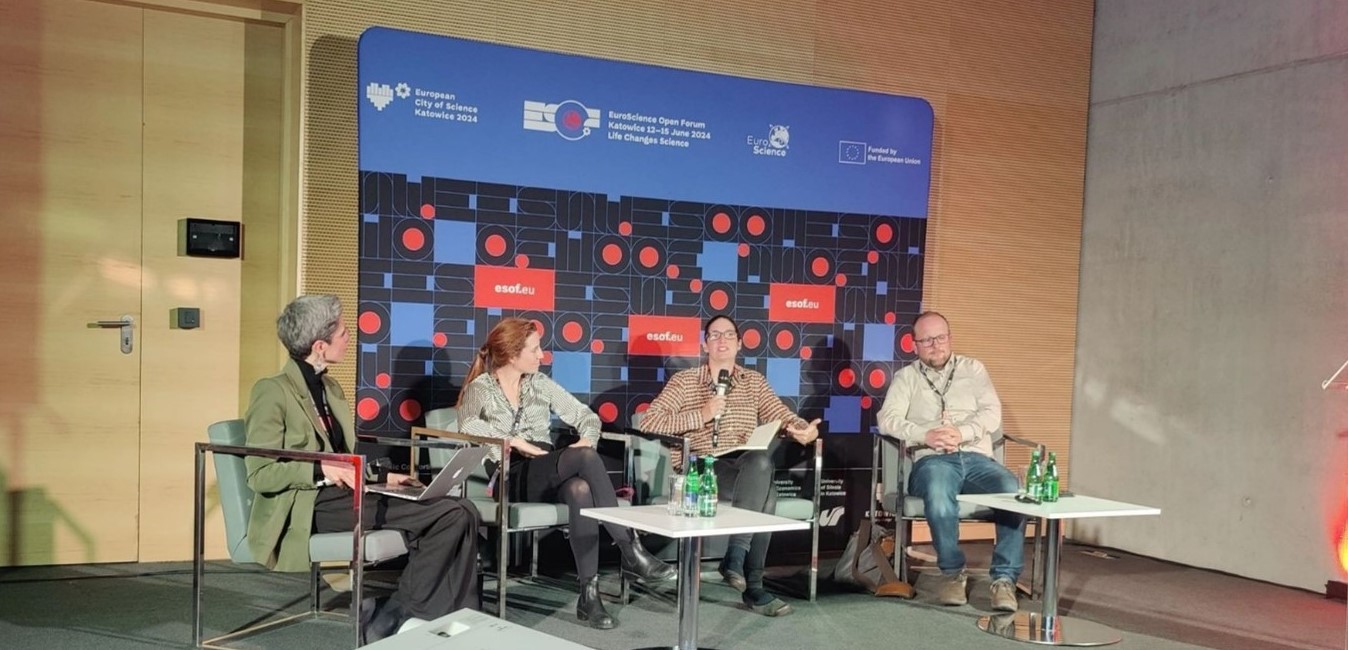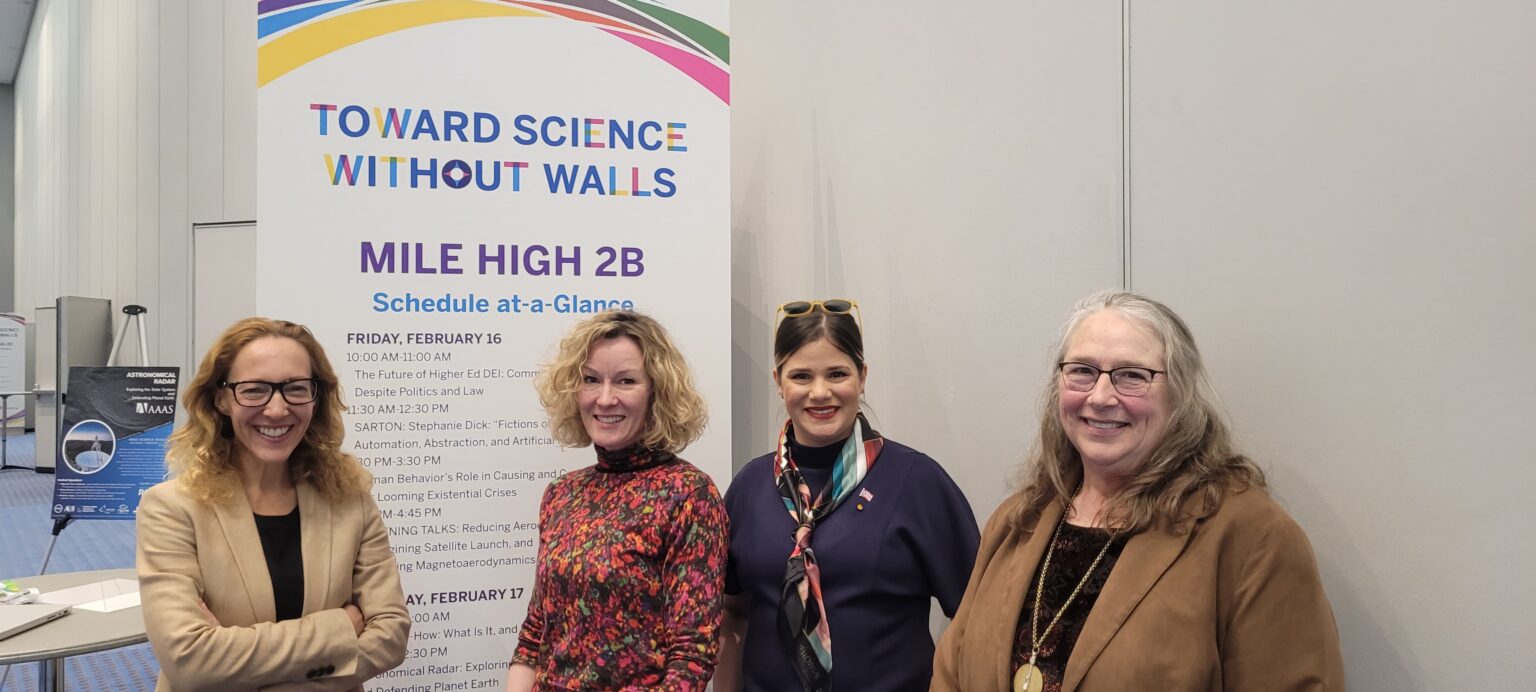
We have been making the case for Risk Know-How at the Belgian Pandemic Intelligence Network’s Getting ready for trouble pandemic preparedness conference, including sharing insights from Sense about Science’s ‘What Counts? A scoping inquiry into how well the government’s evidence for Covid-19 decisions served society‘ report.
This highlighted the need for authoritative communications that empowered people to make decisions in their context, rather than authoritarian communications that just tell them what to do.
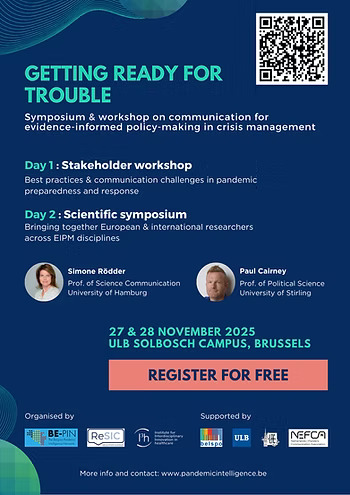
The conference focused on the communication processes for evidence-informed policymaking in times of crisis: we explained the training and support that information providers and risk communicators need, especially in emergencies, and shared resources that help with this, including the Risk Know-How Risk communications workbook.
Risk Know-How is about informed decision making – enabling people to make trade-offs by providing the with information to assess claims and data about risk and the ability to weigh up what should be done in their context.
At the heart of many difficult decisions is the need to make trade-offs, and that is as true for ‘ordinary citizens’ in ‘every day life’ as it is for politicians tasked with setting national policy. Risk Know-How can empower people to make trade-offs in their context. That means giving them information to assess claims and data about risk in a way that works for them, and the ability to weigh up what should be done. That is a challenge, hence our call that knowledge brokers – be they science adviser briefing to ministers or practitioners speaking to their local community – get training and support.