At Risk Know-How, we work with communities around the world responding to a wide range of risks. These communities face many obstacles, but one of the most frustrating is a language barrier. Too often, communities are facing similar challenges but are separated by geography and language so cannot support each other’s risk understanding.
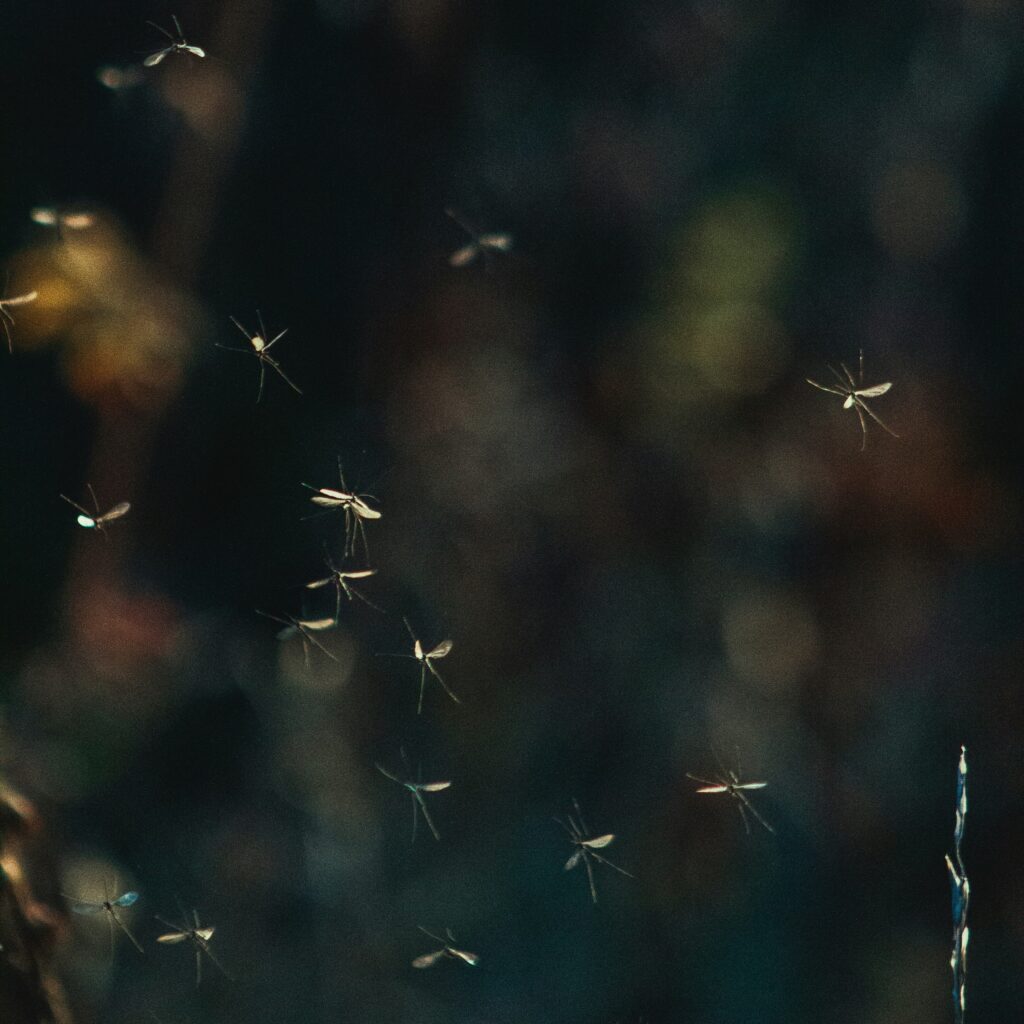
One example of a shared risk many around the world face is the risk posed by mosquito-related diseases, such as malaria or dengue fever. We connected with Henry Rowland, an engineering student who supports his student cohort’s understanding of a wide range of risks, from risks of accidents at work to health risks. He explained how mosquitoes pose a serious health risk to many working on construction sites, especially when exposed buckets of water or pools of water are present where mosquitoes can breed. However, due to a lack of funding and time, creating new resources covering risks and hazards isn’t feasible. He also explained that most of the resources out there aren’t accessible, either because they’re hidden behind a paywall or written in a different language.
One way these can be overcome is through greater cooperation. One of our core goals is to connect communities separated by language, geography or culture to exchange solutions to shared problems. Having heard about Henry’s need for health-related resources, we reached out to one of our community partners in Puerto Rico who works for the organisation Ciencia Puerto Rico.
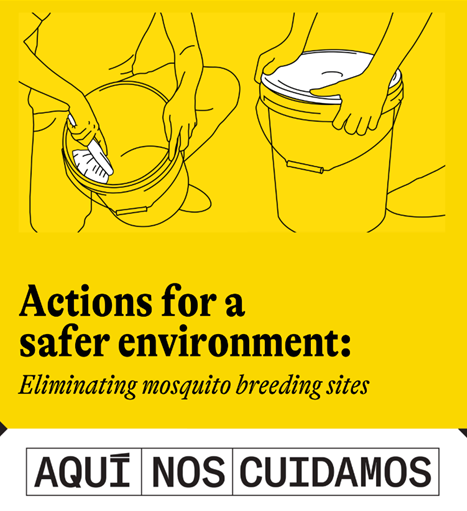
One key element of Aquí Nos Cuidamos is to make science practical and accessible through cultural relevance. Although this project was created for Puerto Rican communities, we always intended Aquí Nos Cuidamos to be an open access resource that others could make their own to promote prevention.
We were delighted to partner with Risk Know-How and Henry in Kenya to translate our content about how to eliminate mosquito breeding sites to their own context. There are important similarities between Puerto Rican and Kenyan realities that facilitated this: the risk of mosquito-borne diseases, the types of buckets that people use to store water and can also become breeding sites, and the need to share concise and visually appealing information that could be easily distributed to encourage preventive actions.
Mónica Feliú-Mójer, Director of Public Engagement with Science at Ciencia Puerto Rico
Ciencia Puerto Rico work on a wide range of health issues, including prevention of mosquito related diseases. We reviewed their resources to find the most appropriate one and requested a translation of the text from Spanish to English. We sent this translation and the original resource to Henry to check it was culturally appropriate. After this was finalised and the translated text was integrated into the resource, we distributed amongst communities in Kenya, Nigeria and Tanzania. This resource is now going to be used by NGOs and community health organisations alike.
Sharing risk resources between communities is fundamental for enhancing resilience and effectiveness in response common challenges, such as mosquito-borne diseases like Malaria, Zika and Dengue.
Yona Yangaza, Public Health Advocated based in Tanzania
Although the resource was created with a specific community in mind, this effort should remind us all that many of the challenges we face are shared across geography, and that communities learning from other communities is often the most effective way to spread knowledge. Breaking down the barriers to this process is a vital component to improving risk understanding around the world.