
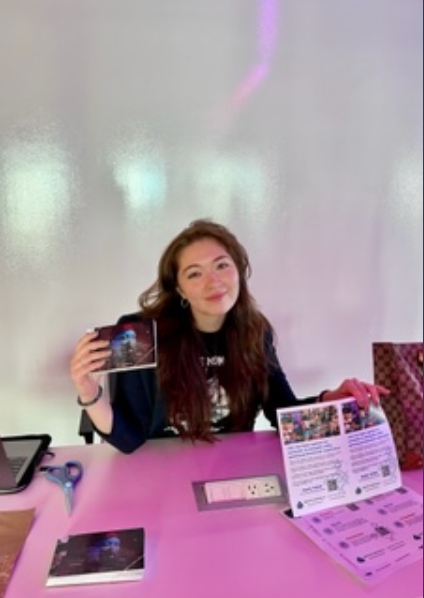
Jenny Simon
Content Lead - Breathe Mongolia
The work Breathe Mongolia does touches several high-stakes industries–the environment, human health, education, international development and recognition. The risk that all of these industries share is the potential for miscommunication and misinformation, especially when it comes to content creation and communication. There is simultaneously a lack and an abundance of information circulating about the air pollution crisis in Mongolia that it can be overwhelming for people, leaving them discouraged from taking action, or they may get the wrong information, leading to them taking the wrong action. The best way to combat these risks is to understand and take accountability for one’s own responsibility in creating, sharing, or utilizing information. Research, checking sources, and questioning the things you read is important. Additionally, thinking about the context of these tools is important? Ask yourself: how can I use this information in a positive way that will motivate people to help themselves, others, and the planet?
I believe most of our audience understands how dangerous air pollution is for your health, as well as the negative environmental impacts associated; but when it comes to communication, one of the biggest struggles is: “How can we talk about and provide consistent information on a topic that’s often so negative?” The potential to overwhelm people and make them apathetic is quite high.
It’s difficult to always hear or read negative things and still feel empowered to make a change. These feelings of worry, doubt, etc. are, unfortunately, a part of being human. The best way to combat this risk is by being mindful of how to communicate information (tone, medium, graphics, etc.) in order to educate AND motivate people.
Many people turn to social media for information because it’s usually very accessible, and often because the content seems more personable than a government report or a news segment. Sometimes people will trust whoever they think is most like and lives a life most similar to themselves.
I believe people listen to bits and pieces of different information they can find. This might look like a combination of statistics provided by the government, recommendations made by NGOs, and everyday advice from social media influencers.
There is often a lot of mistrust in the government due to corruption and the belief that the government will prioritize self-interest over the rights and benefits of everyday citizens.
It’s hard to pinpoint why people may listen to one source over another, but how likely someone will accept and share information is usually based on their core beliefs and opinions. Once they’ve decided to listen or give it a chance, then it may come down to factors like accessibility, entertainment, and the perceived credibility of a source based on the presentation of materials.